Most healthcare marketing agencies move fast and figure it out later. We do the opposite. Every step in our enterprise level healthcare process and workflow exists for a reason, and each one builds directly on the one before it.
We don't write content before we know what your patients are searching for.
We don't launch ads before a doctor has reviewed and approved every word.
We don't publish a page before the schema is built and QA is done.
This isn't slowness — it's precision, precision in the same way a surgeon operates.
While rushed marketing produces generic results that puts a medical clinic’s financial liquidity in jeopardy, it is just like how a rushed operation puts a patient’s life in critical danger.
A medical practice that skips the research ends up ranking for the wrong terms, spending marketing dollars on the wrong patients, and communicating the wrong message.
We take the time upfront to get everything right so that everything we put into the market for your patients and potential patients actually works. Every item below is a critical step we take in our enterprise grade workflow, in order, where each piece of content moves through the steps taken to ensure that your medical practice gets quality content that drives patients to your practice and your patients get quality content that drives them to want to fill up your empty appointment slots
Get list of conditions treated, symptoms addressed, and treatment plans available.
Prioritize by highest to lowest earning or most to least frequent visits.
Determine radius of how far patients will travel.
Do competitor research.
Do keyword research.
Establish content outline.
Get access to systems.
Work with 3rd party to make sure the site is HIPAA compliant.
Interview doctor on interests and type of care provided.
Rebuild doctor bio.
Redo Google Business Profile.
Start building out citations.
Audit and optimize site speed.
Ensure site is fully responsive on mobile.
Optimize site images.
Make keyword-rich URL that follows correct format — lowercase, hyphens between words, includes location and primary keyword, follows site hierarchy, avoids duplicates.
QA the page URL.
Write SEO-optimized title for page.
Write content for page.
Edit content for page.
Review with doctor for accuracy.
Make any necessary edits.
Review with doctor again for final approval.
Build schema for page.
Publish content and schema to website.
QA content and schema.
Submit page to Search Console.
Apply conversion rate optimization (CRO) strategies to improve page ranking and patient action.
Track SEO results on target search terms.
Report where each page ranks for each search term.
Set up conversion goals for ads.
Build Google Ads for specific pages.
Identify which pages and conditions to advertise.
Define geographic regions and target radius.
Research and select keywords for each campaign.
Do competitor analysis and research for Google Ads.
Write ad headlines and descriptions.
Build out sitelink extensions — additional links that appear below the ad directing patients to specific pages.
Build out callout extensions — short phrases that highlight key benefits or services.
Build out call extensions — add phone number directly to the ad for one-tap calling.
Build out location extensions — show practice address alongside the ad.
Build out structured snippet extensions — list specific services, conditions, or treatments within the ad.
Build out image extensions — add visuals to enhance the ad appearance.
Send ad copy to designer for any supporting creative assets.
The designer produces creative assets.
Review ad copy, extensions, and creative with doctor for accuracy and approval.
Make any necessary edits.
Final review with doctor for approval.
Ensure landing page aligns with ad message and call to action.
Build out campaign structure — campaigns, ad groups, and ads.
Set bids, budget, and targeting parameters.
Launch Google Ads.
Monitor performance — impressions, clicks, conversions, and cost per acquisition.
A/B test ad copy and creative to improve performance.
Optimize campaigns based on data — adjust bids, pause underperforming ads, scale winners.
Report on ad-to-patient conversion results.
Build Meta Ads.
Identify specific examinations, conditions, treatments, and symptoms to advertise.
Define geographic regions and target radius.
Set target age range and demographic parameters.
Research audience interests and behaviors for targeting.
Do competitor analysis and research for Meta Ads.
Write ad copy — primary text, headline, and call to action.
Determine ad format — single image, carousel, video, or story.
Send ad copy and direction to designer for creative assets.
The designer produces static images, carousels, or video creative as needed.
If video requires doctor’s participation, we ask for their participation.
Write multiple variations of ad copy for A/B testing.
Review ad copy and creative with doctor for accuracy and approval.
Make any necessary edits.
Final review with doctor for approval.
Ensure landing page aligns with ad message and call to action.
Build out campaign structure — campaigns, ad sets, and ads.
Set campaign objective — leads, traffic, or conversions.
Set budget, bidding strategy, and targeting parameters.
Launch Meta and Social Media Ads.
Monitor performance — reach, clicks, conversions, and cost per acquisition.
A/B test ad copy, creative, and audiences to improve performance.
Optimize campaigns based on data — adjust targeting, pause underperforming ads, scale winners.
Report on ad-to-patient conversion results.






























































































































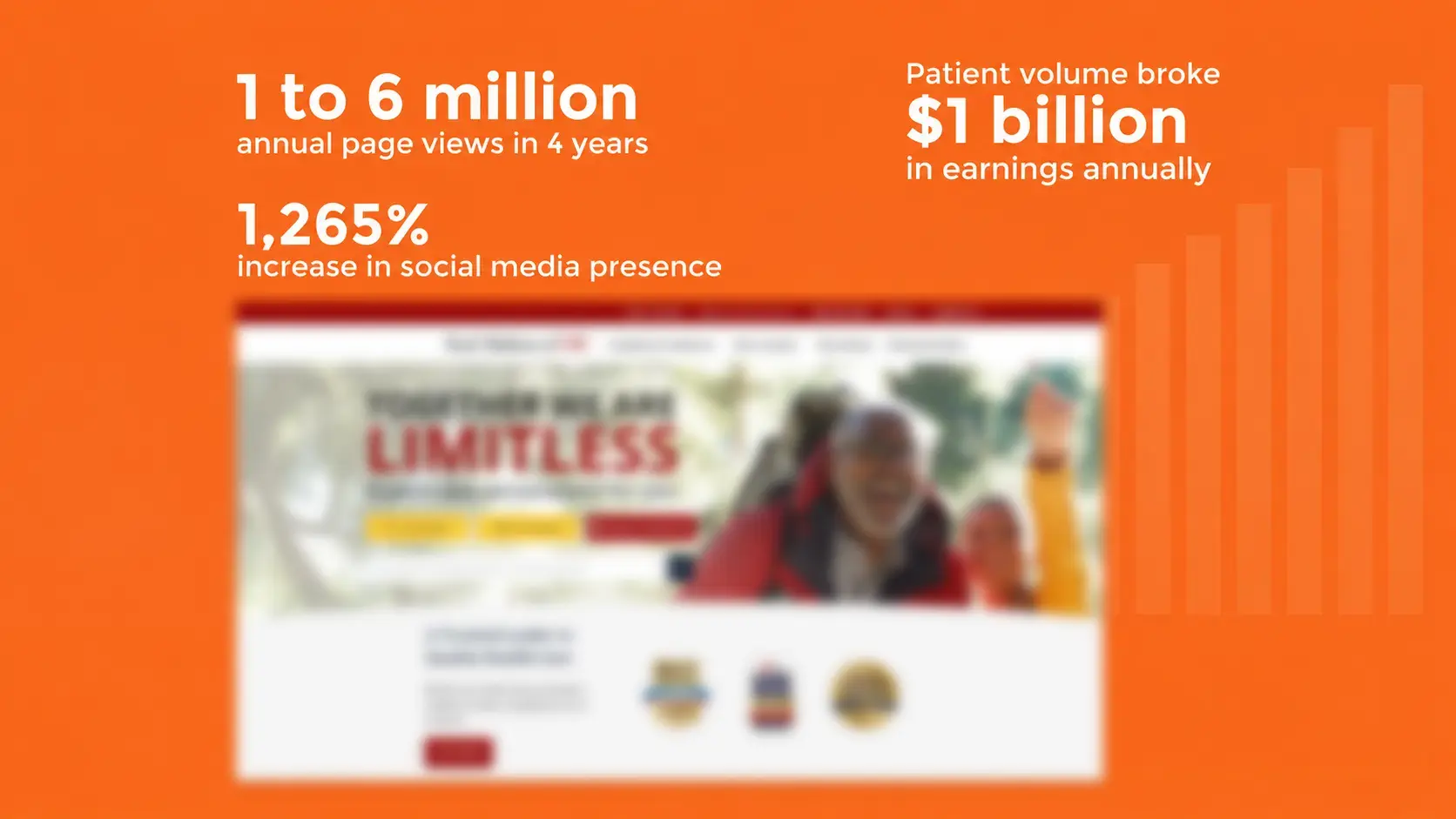 Broke $1 billion
  Enterprise Client
 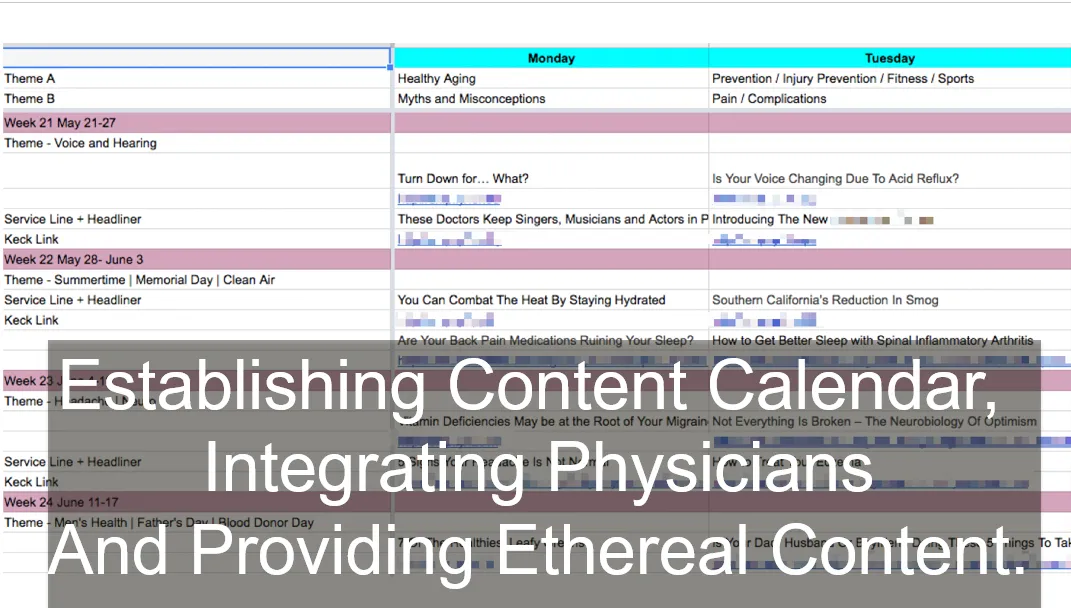 Establishing Content Calendar
  Defined Strategy
 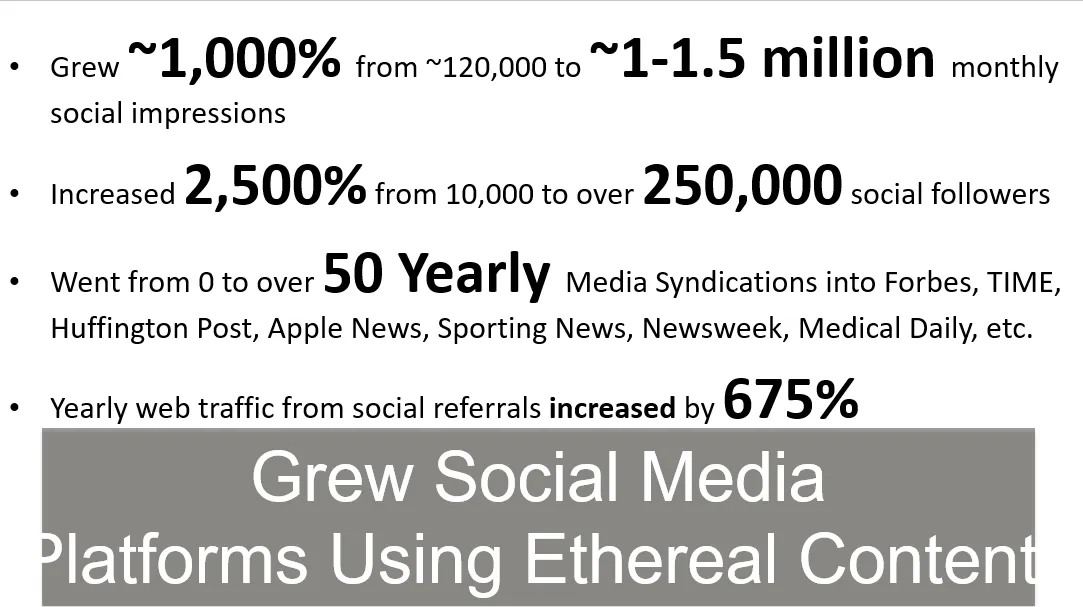 Grew Social Media Platforms
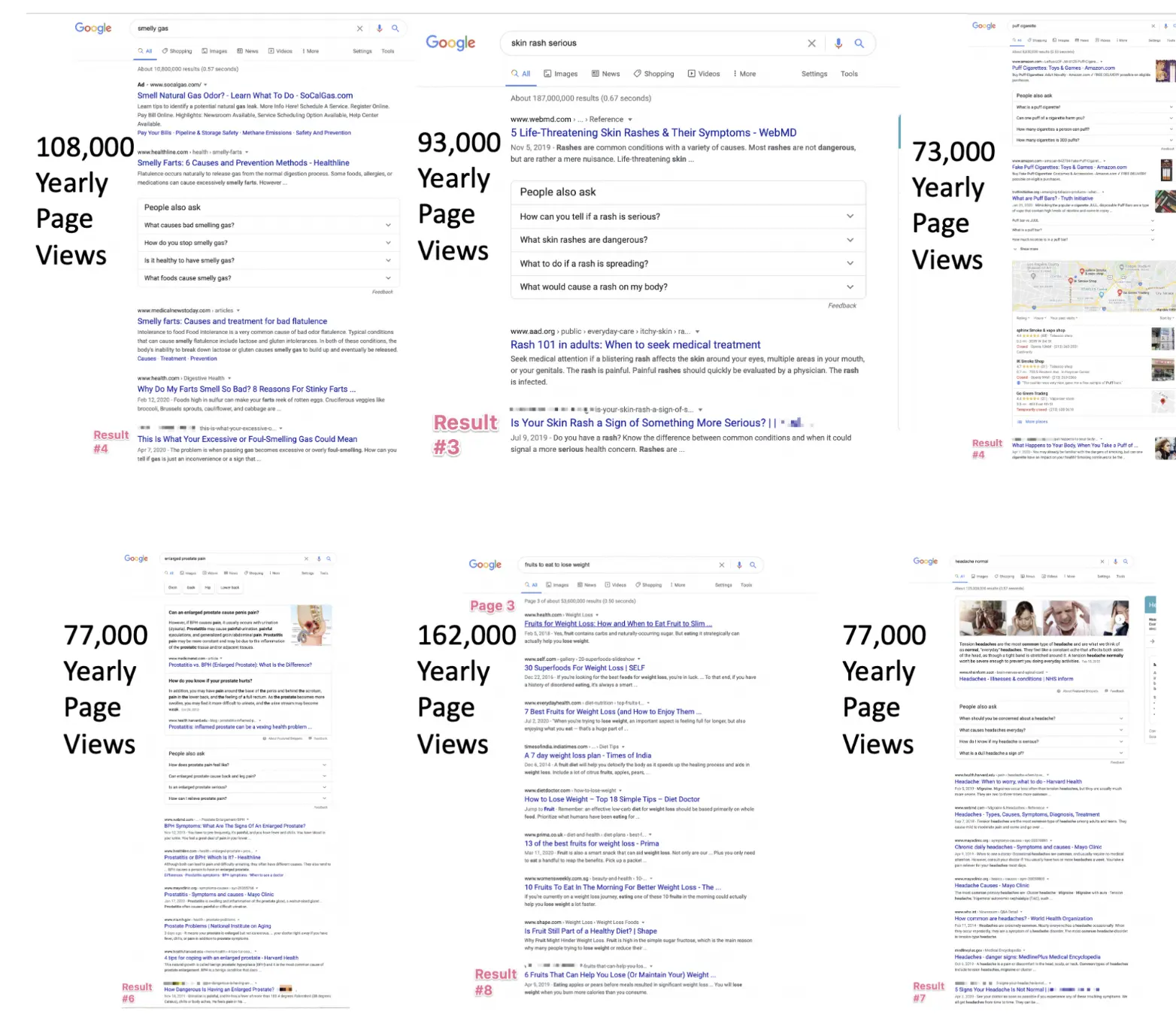
 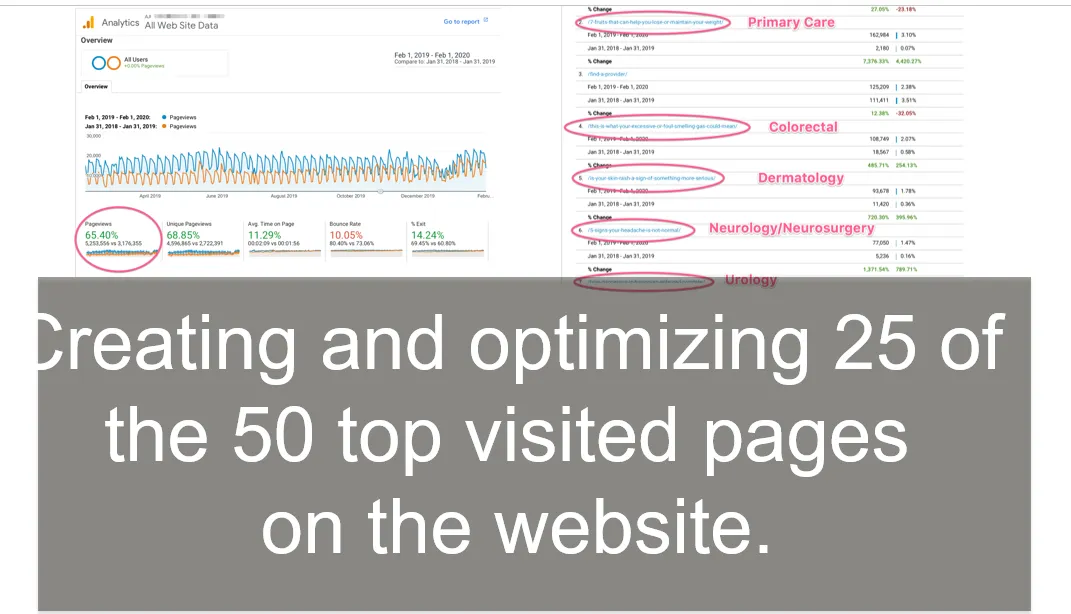 Creating & Optimizing 25 of the 50 Top Visited Pages
 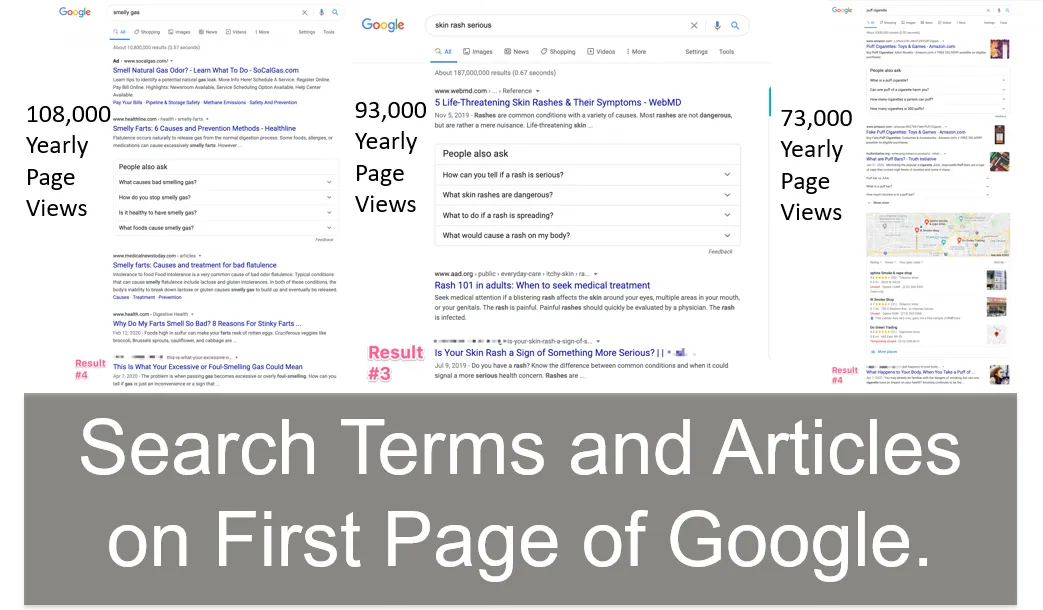 Search Terms and Articles
 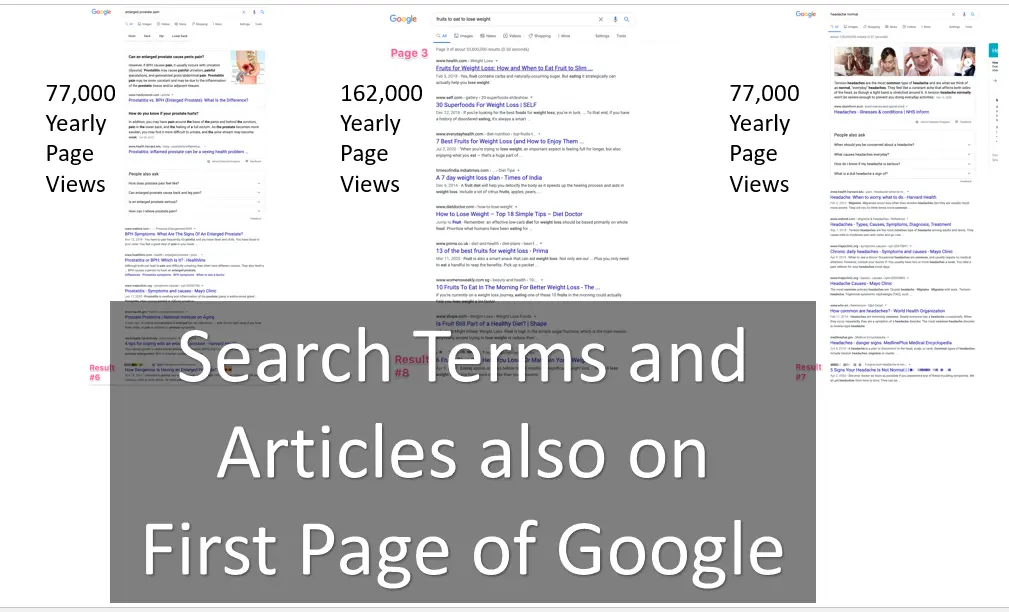 162,000
 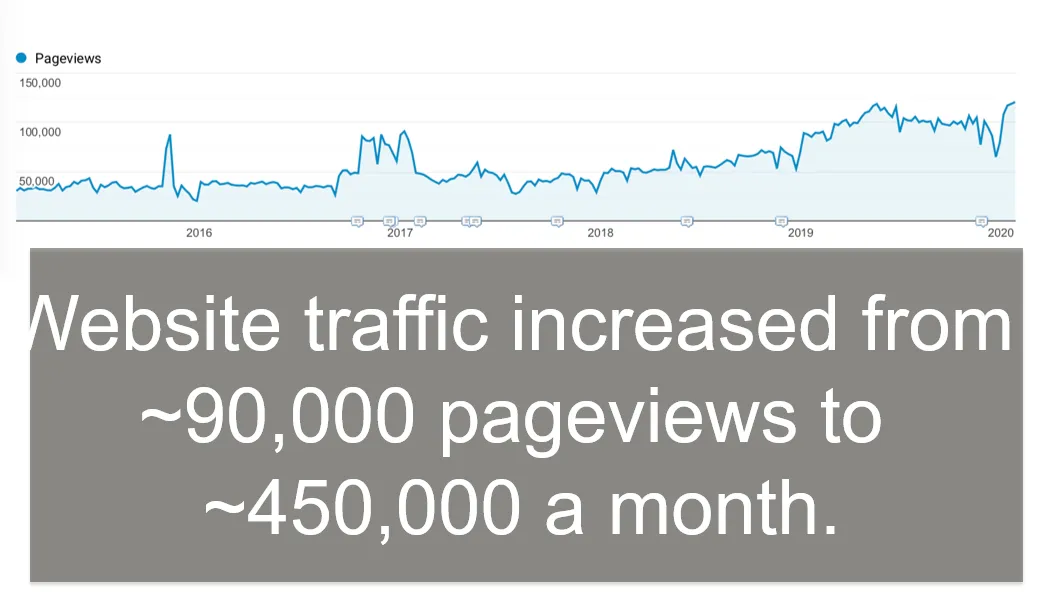 90,000 a month to 450,000 a month
 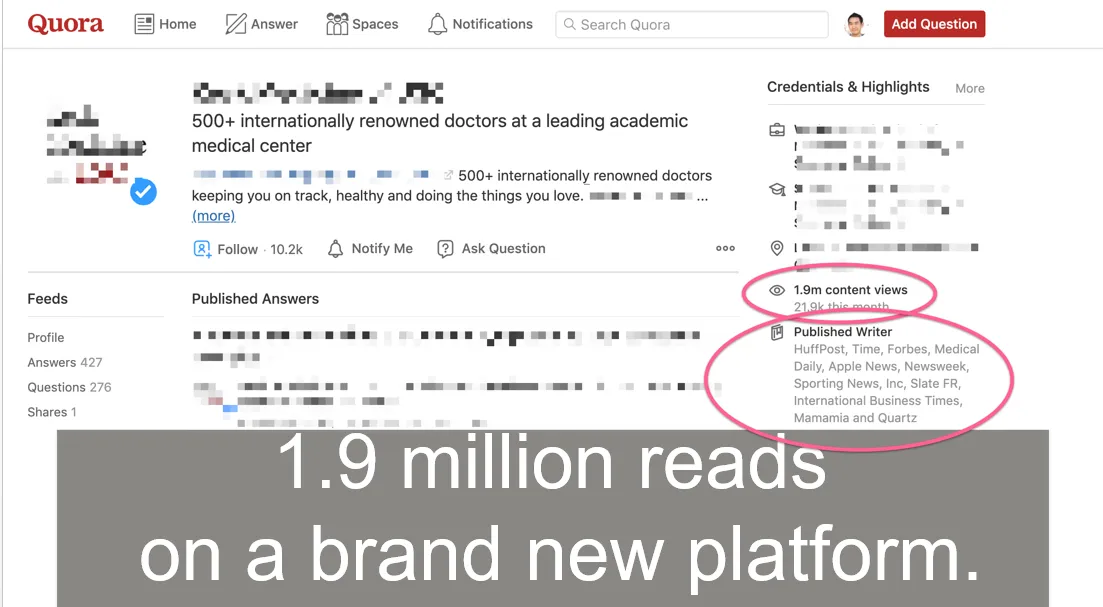 1.9 Million Reads
 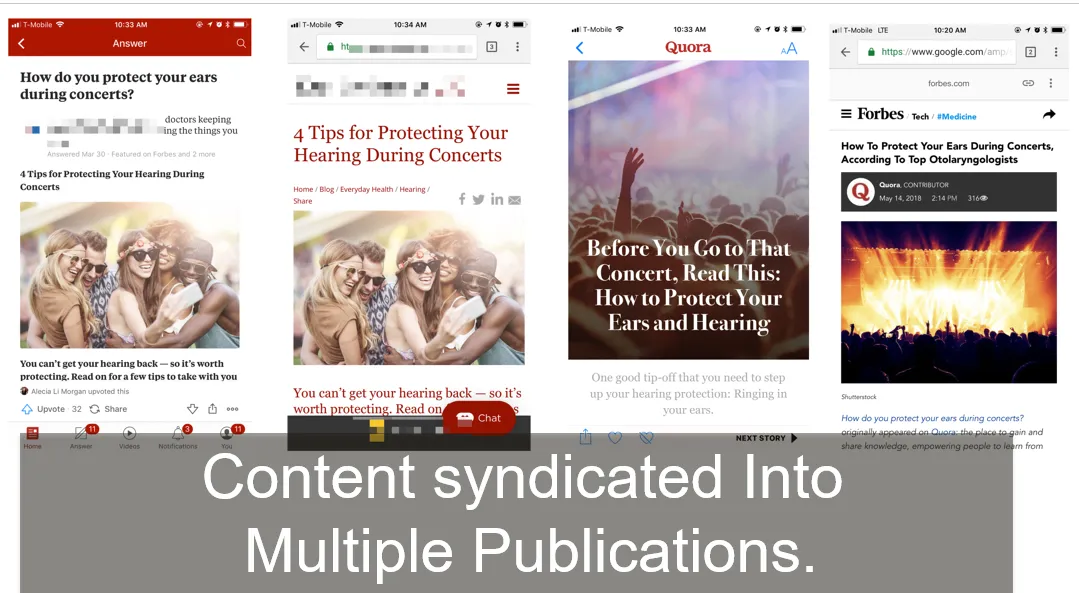 Content Syndicated
  Over 150 Times
 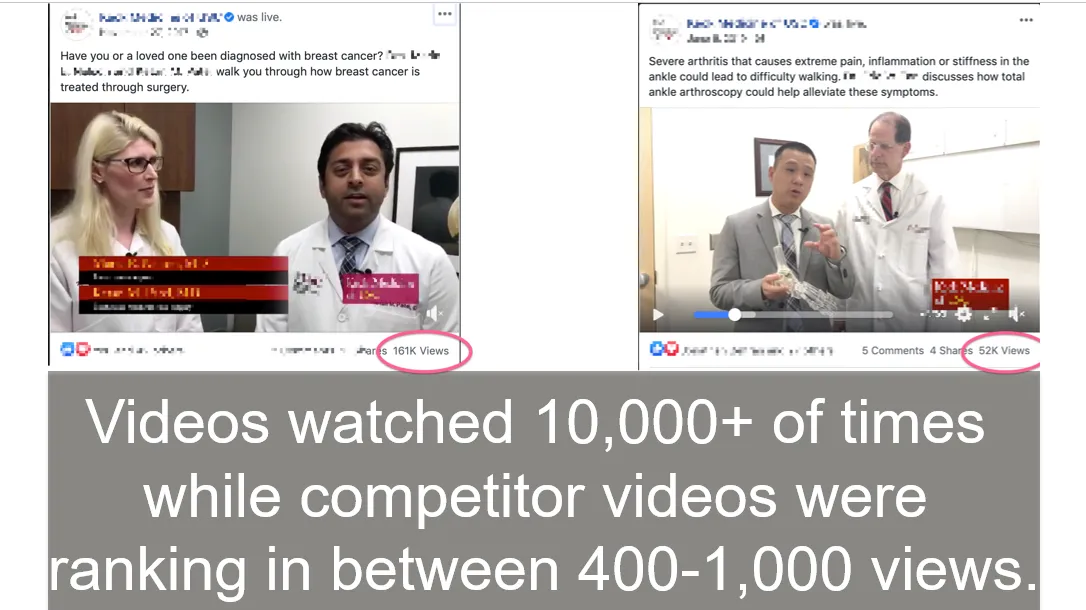 50,000 to 150,000 video plays
 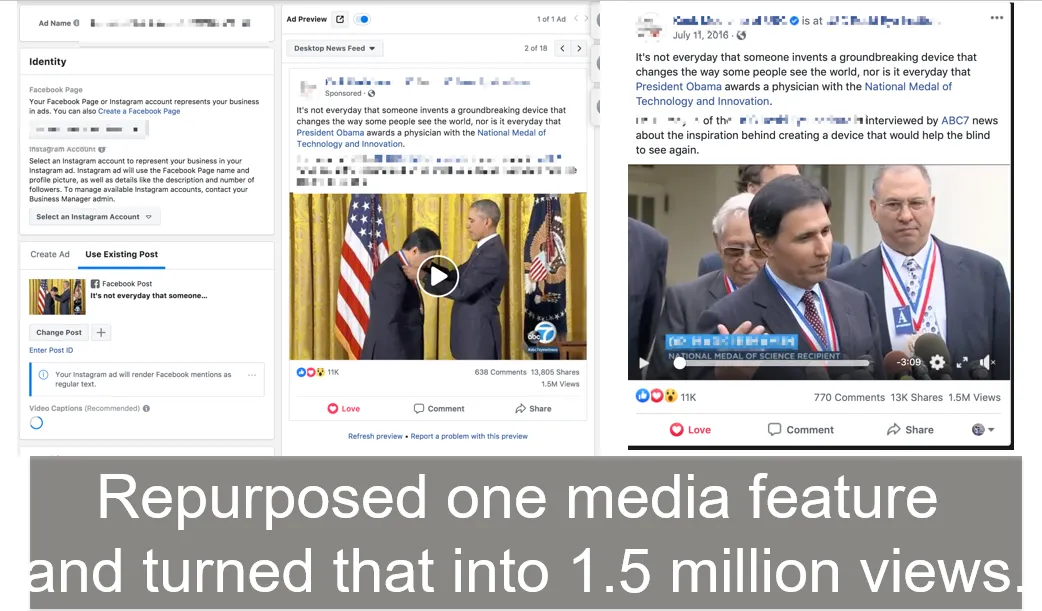 1.5 Million Video Plays
 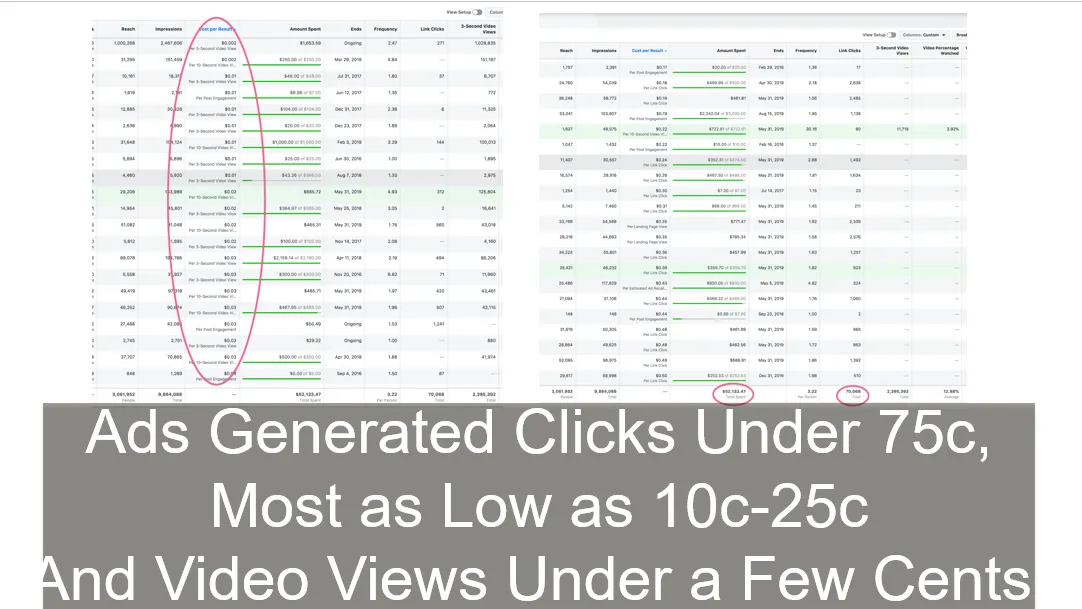 Pennies to 75 cents
  Social Media Bootcamps
  And Ultimately Resulted in Year Over Year Profits
  Looking for Similar Result?
  We Will Audit Your Current Strategy
  We Will Create a Strategy For You
  We Will Help You Redirect Spend and Effort
  Schedule an Appointment With Us
  Patient volume broke $1 billion
  Time Magazine
 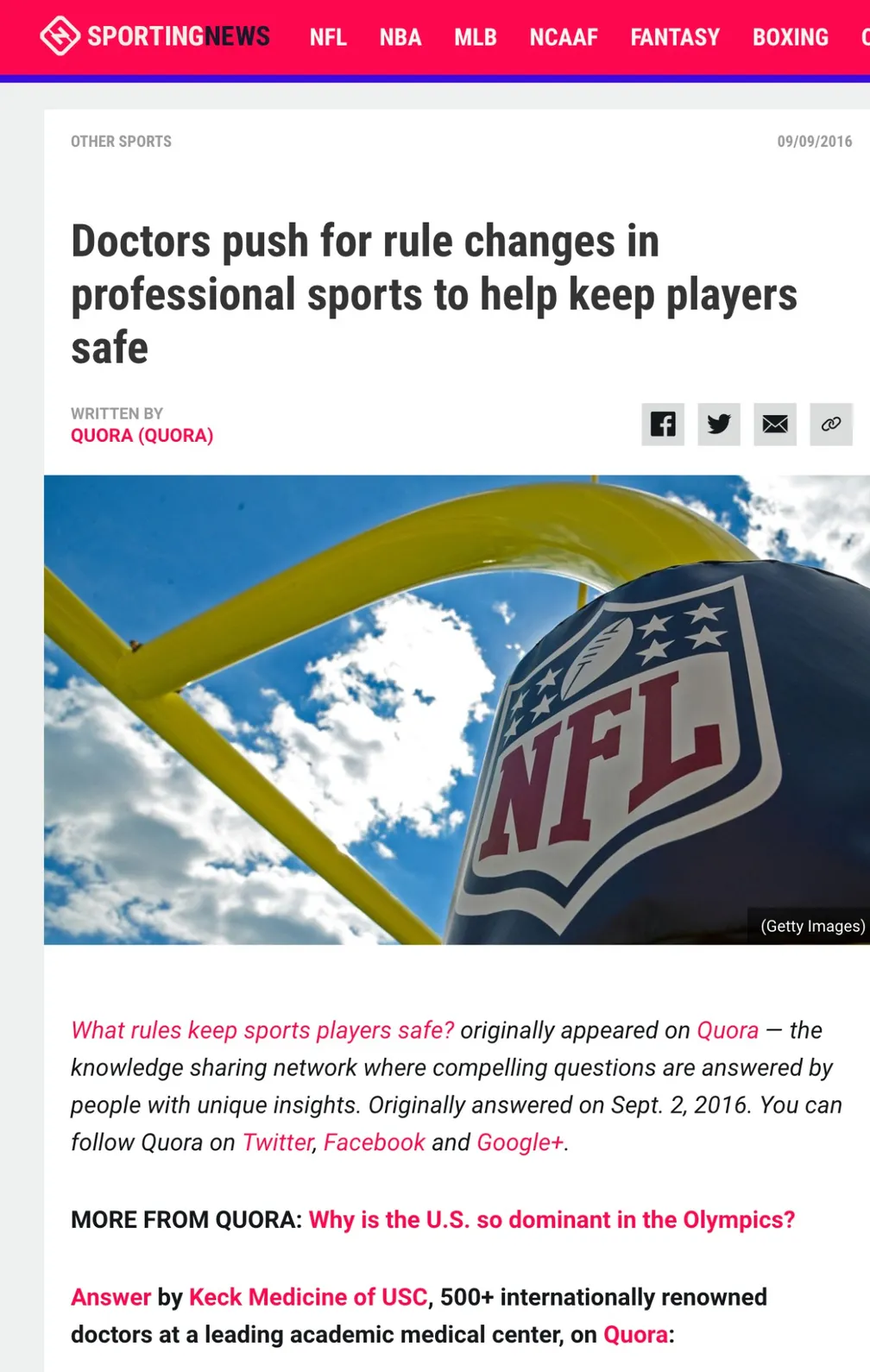 Apple News
 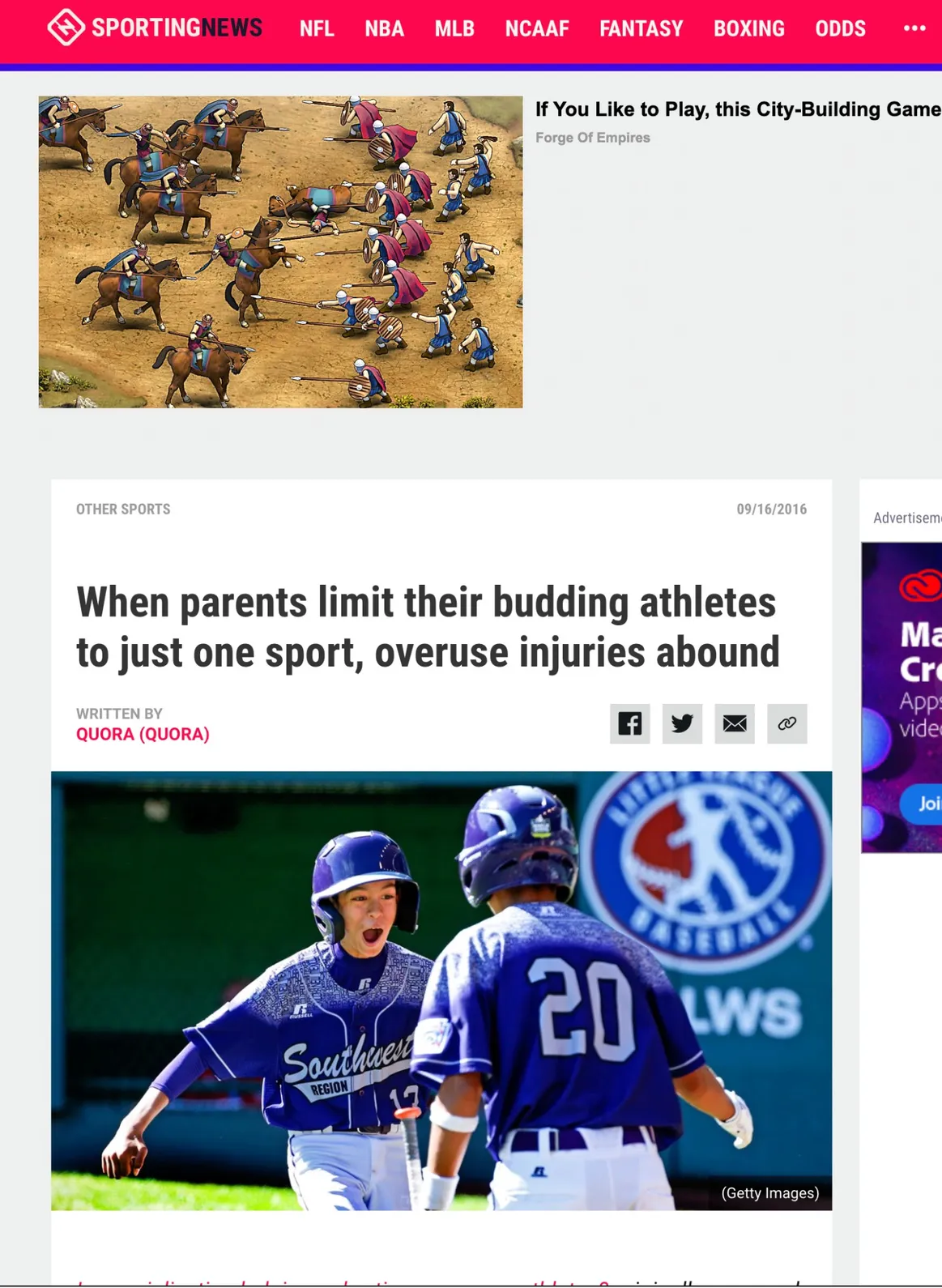 Apple News
  Slate France
  Slate France
  Slate France
  Slate France
  Slate France
 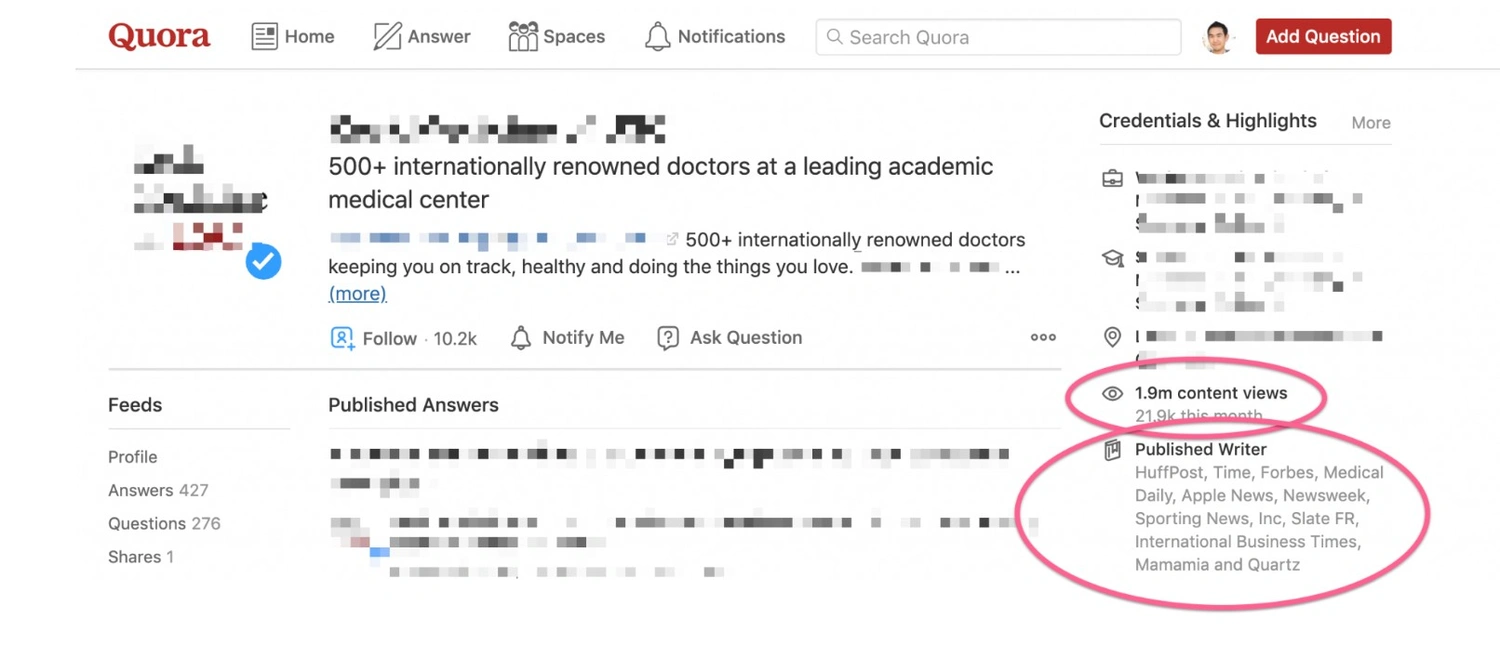 Quora Profile
 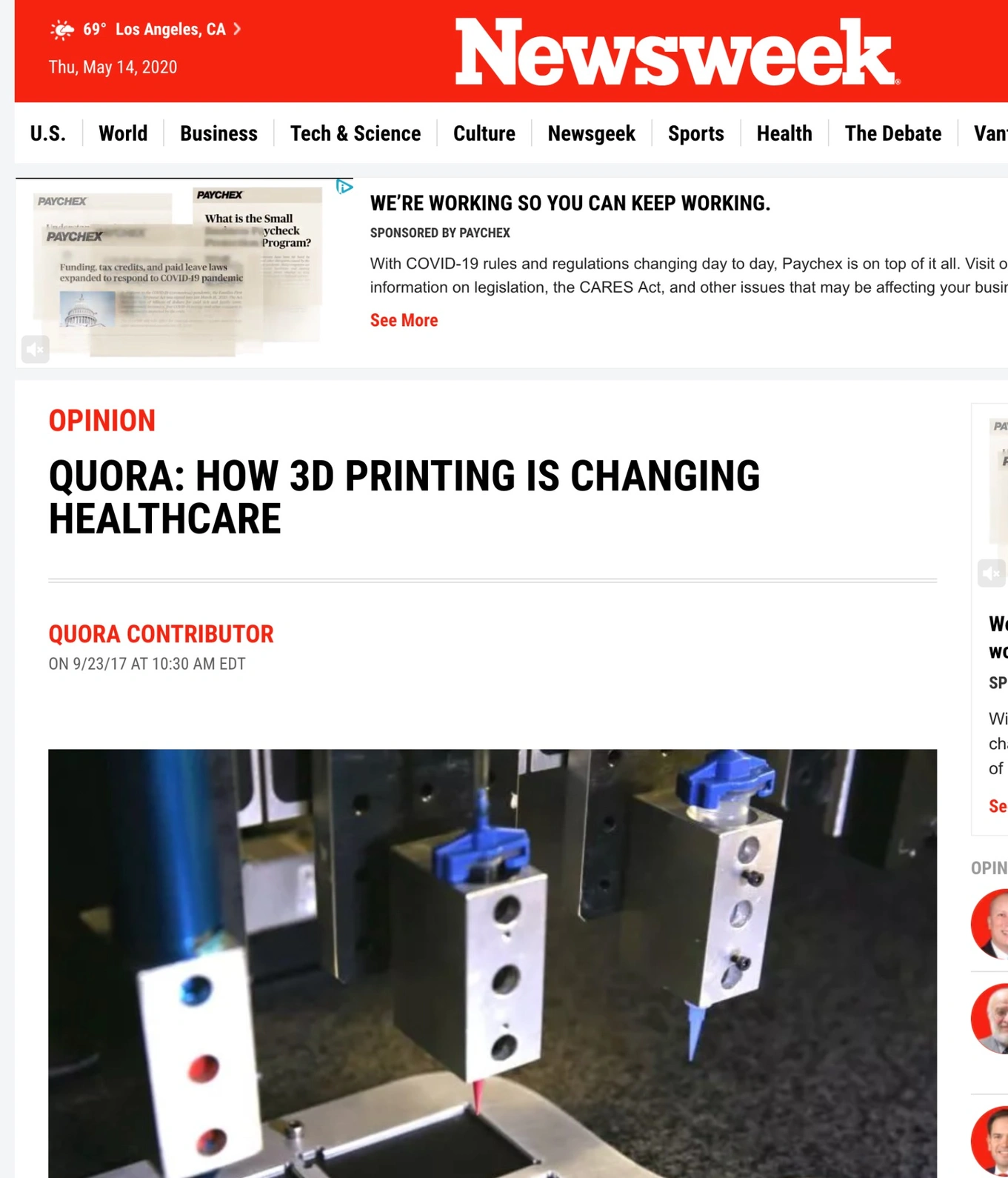 Newsweek
  Newsweek
  Newsweek
 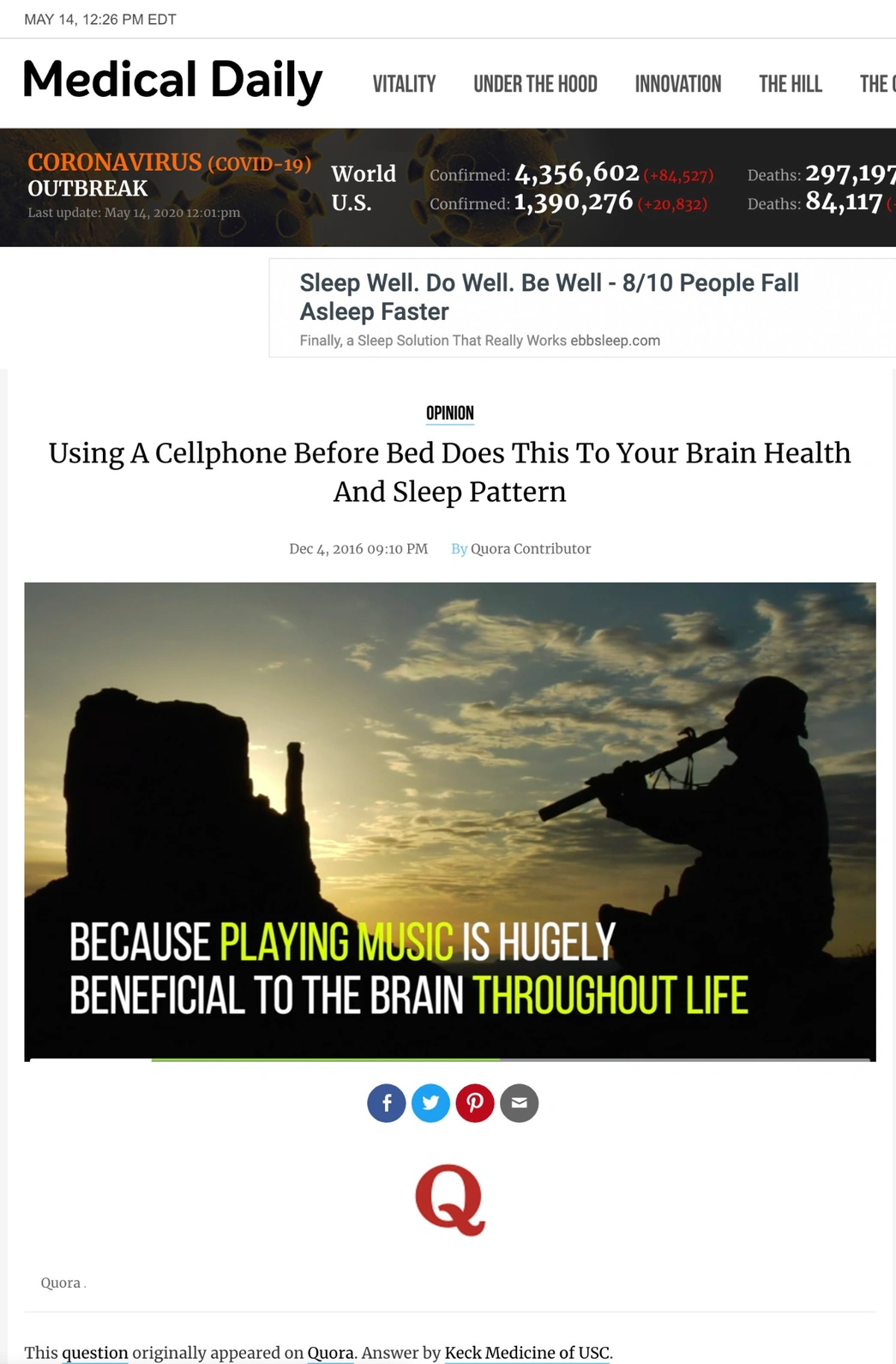 Medical Daily
  Medical Daily
  Medical Daily
 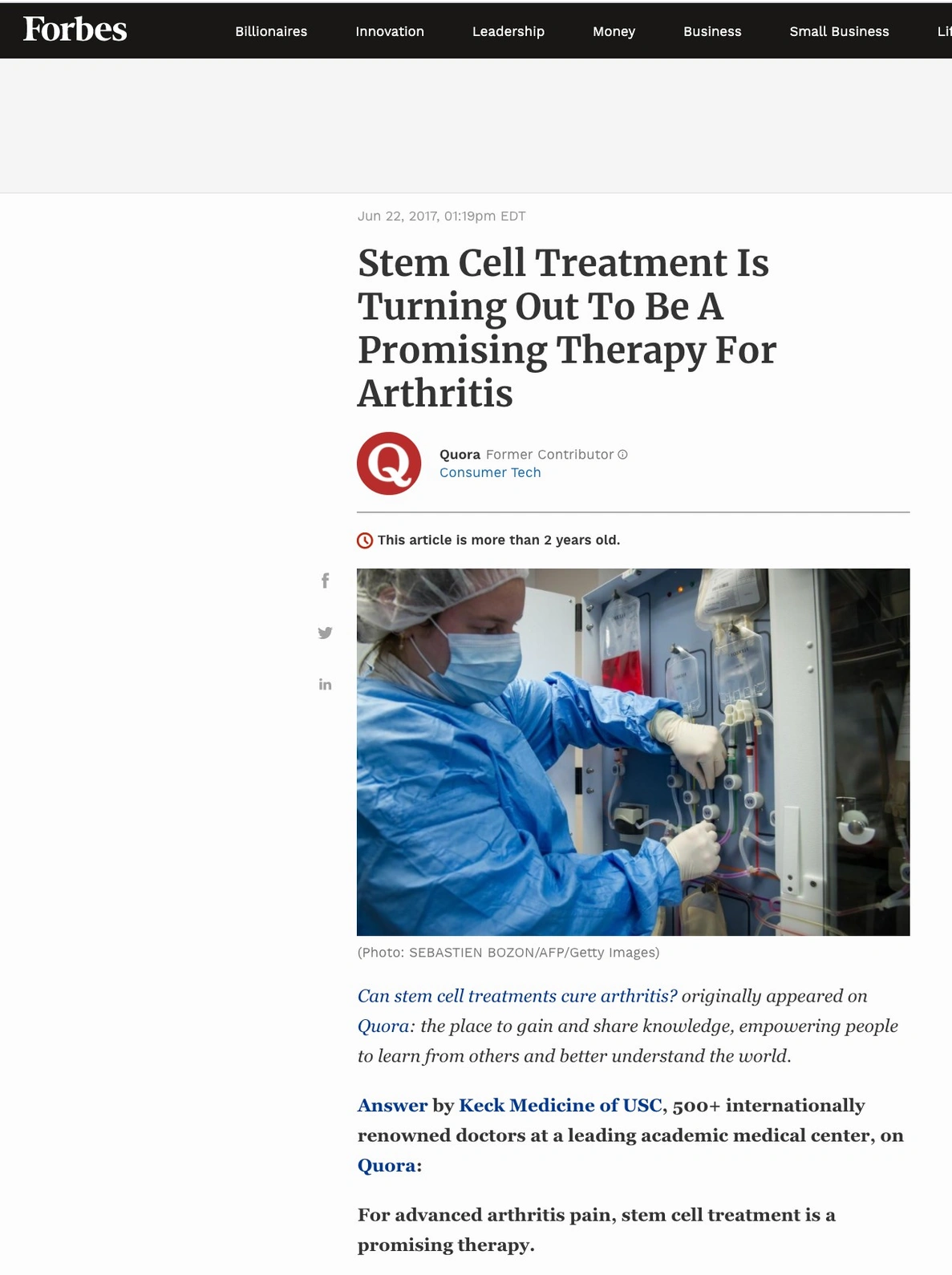 Forbes
 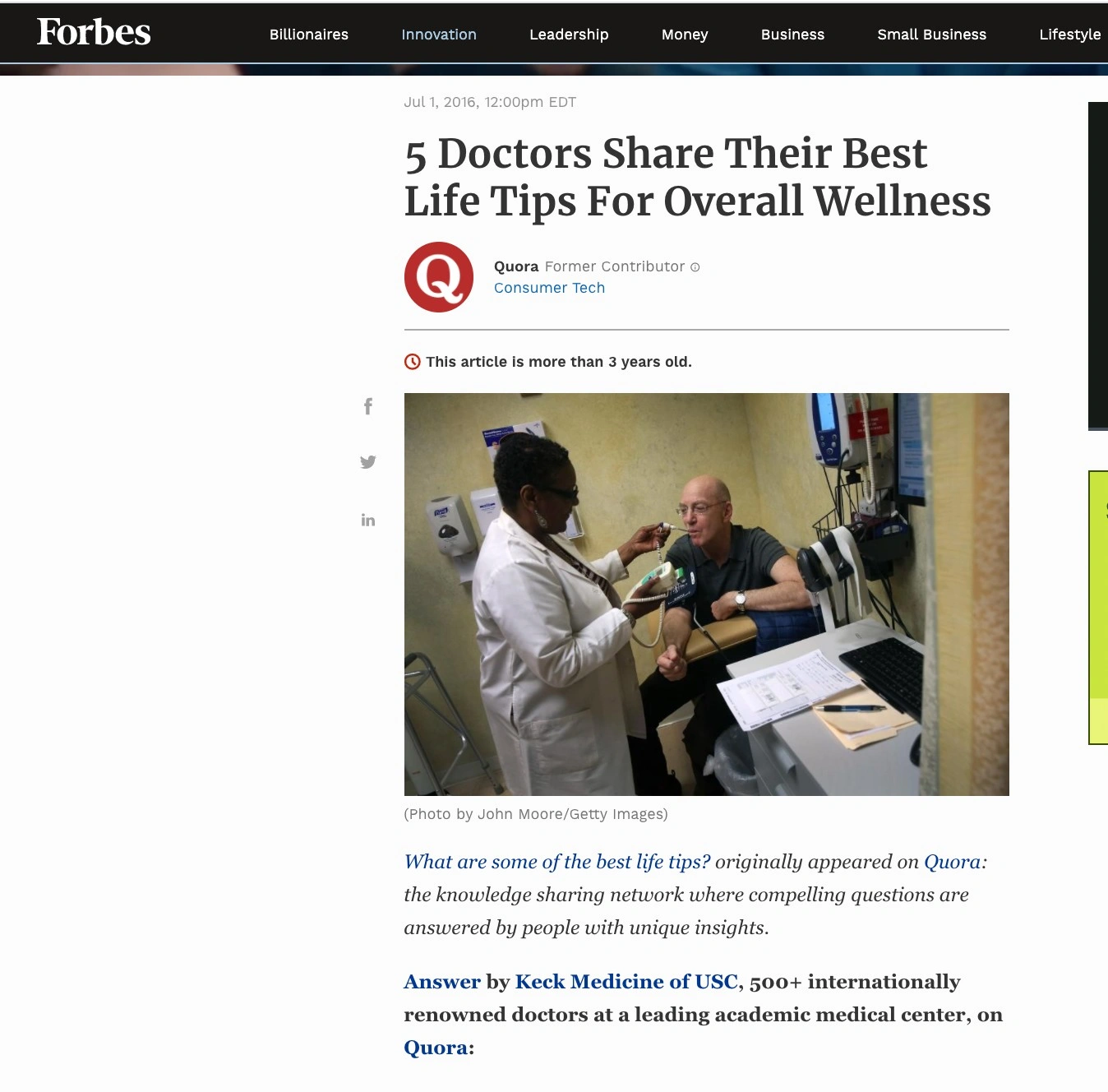 Forbes
  Medical Daily
  Medical Daily
  Huffpost
  Medical Daily
  Medical Daily
  Medical Daily
 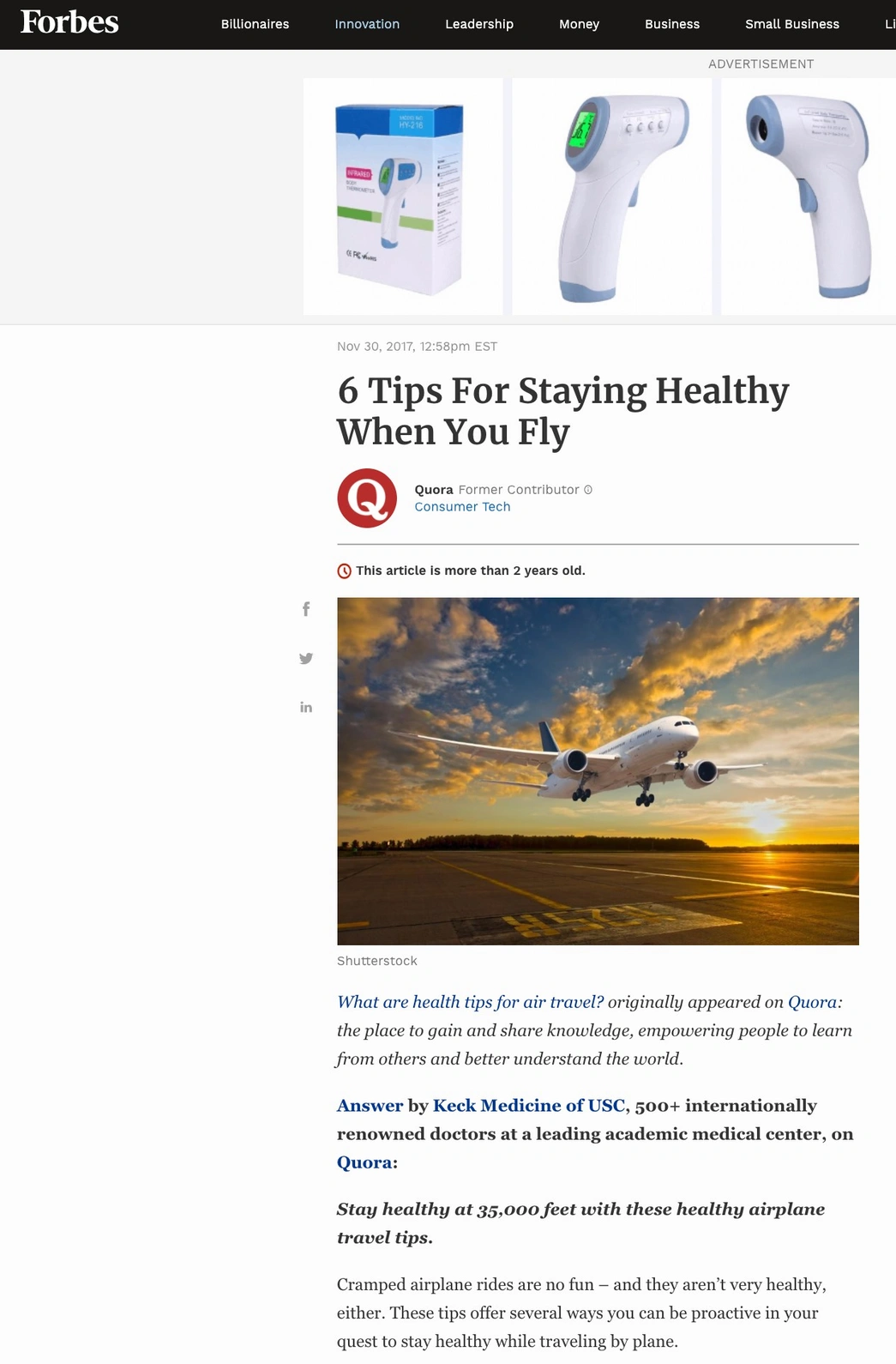 Forbes
  Medical Daily
 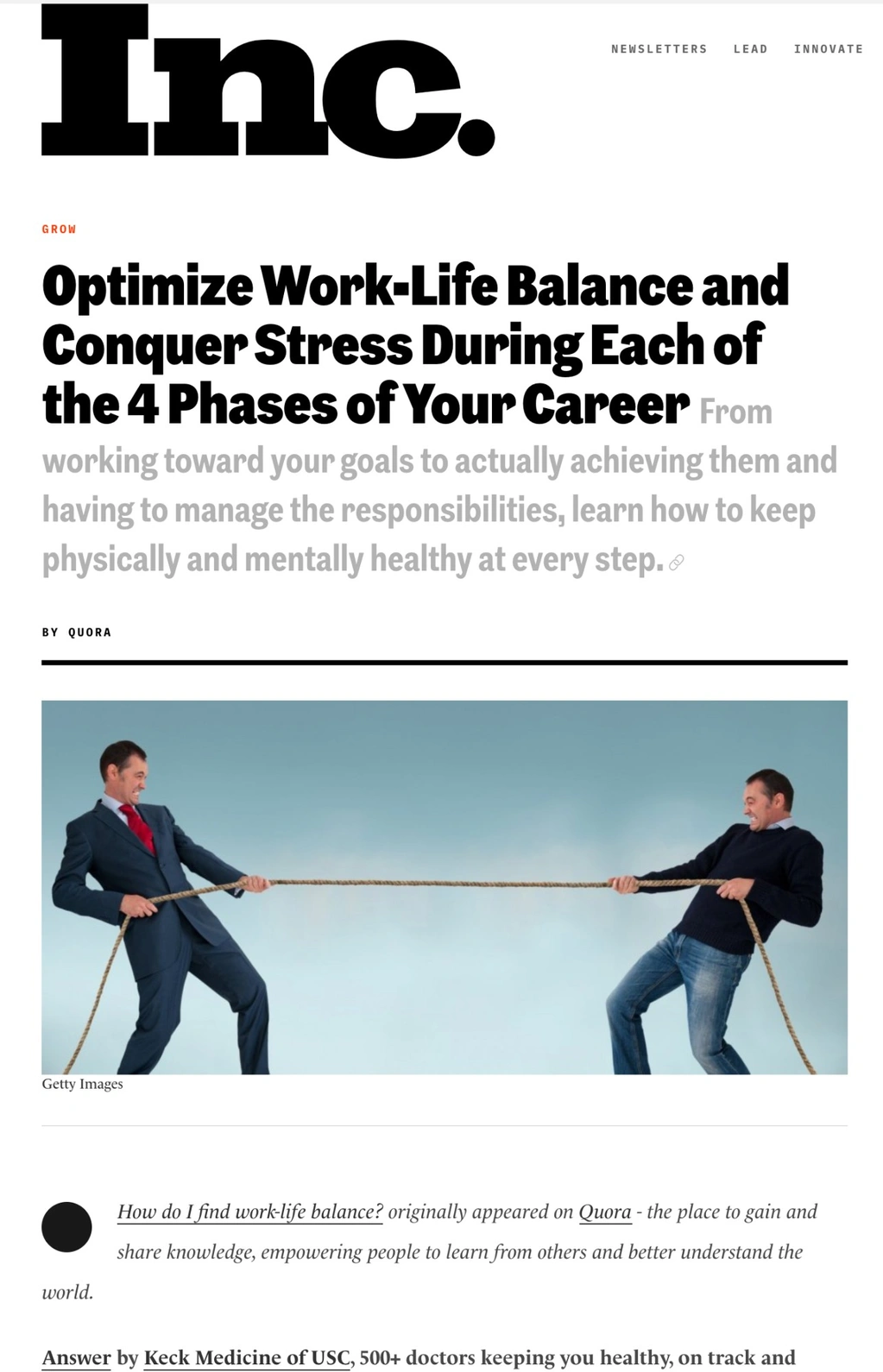 Inc Magazine
  Medical Daily
  Medical Daily
  Mamamia Media
 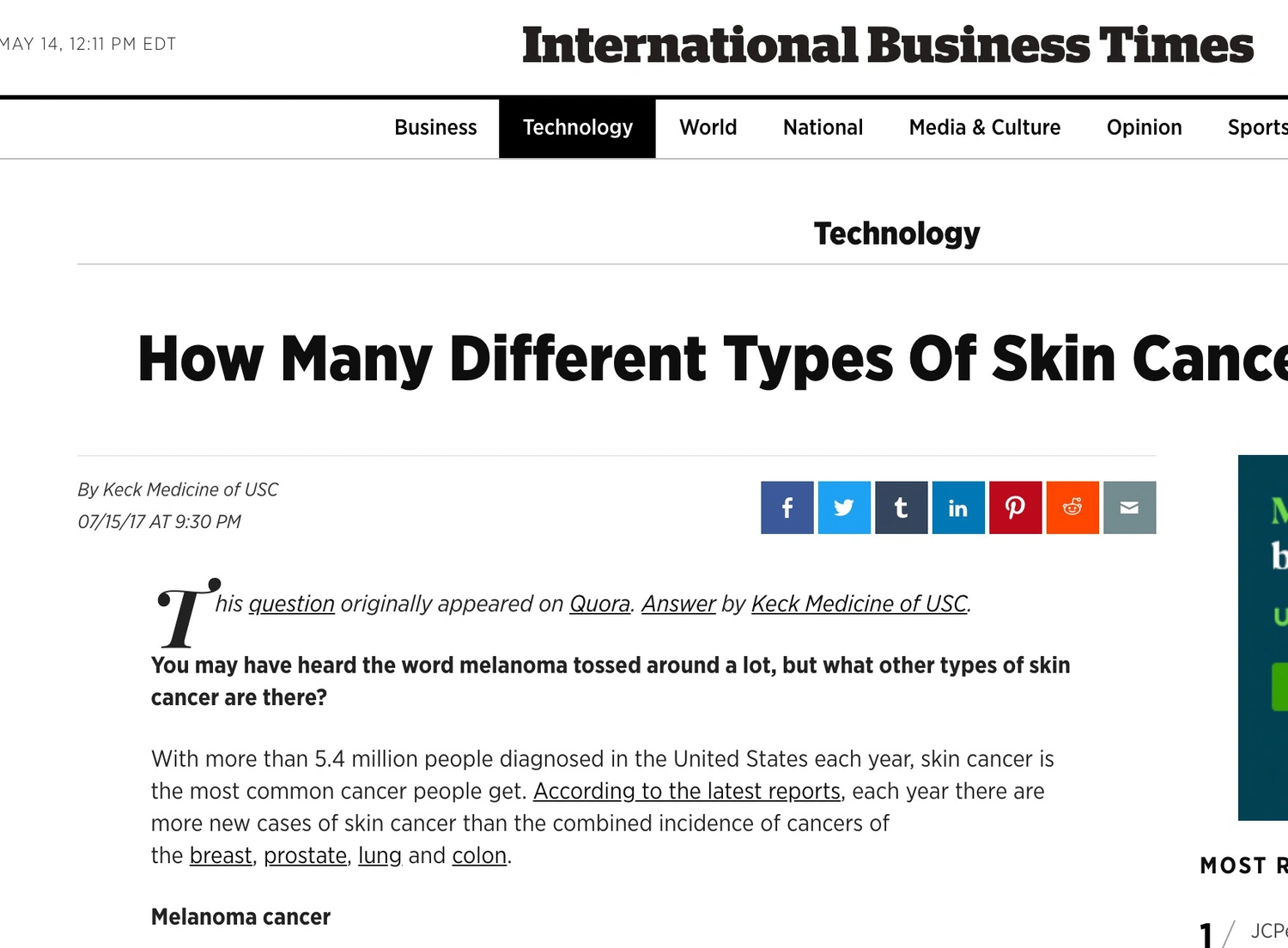 International Business Times
 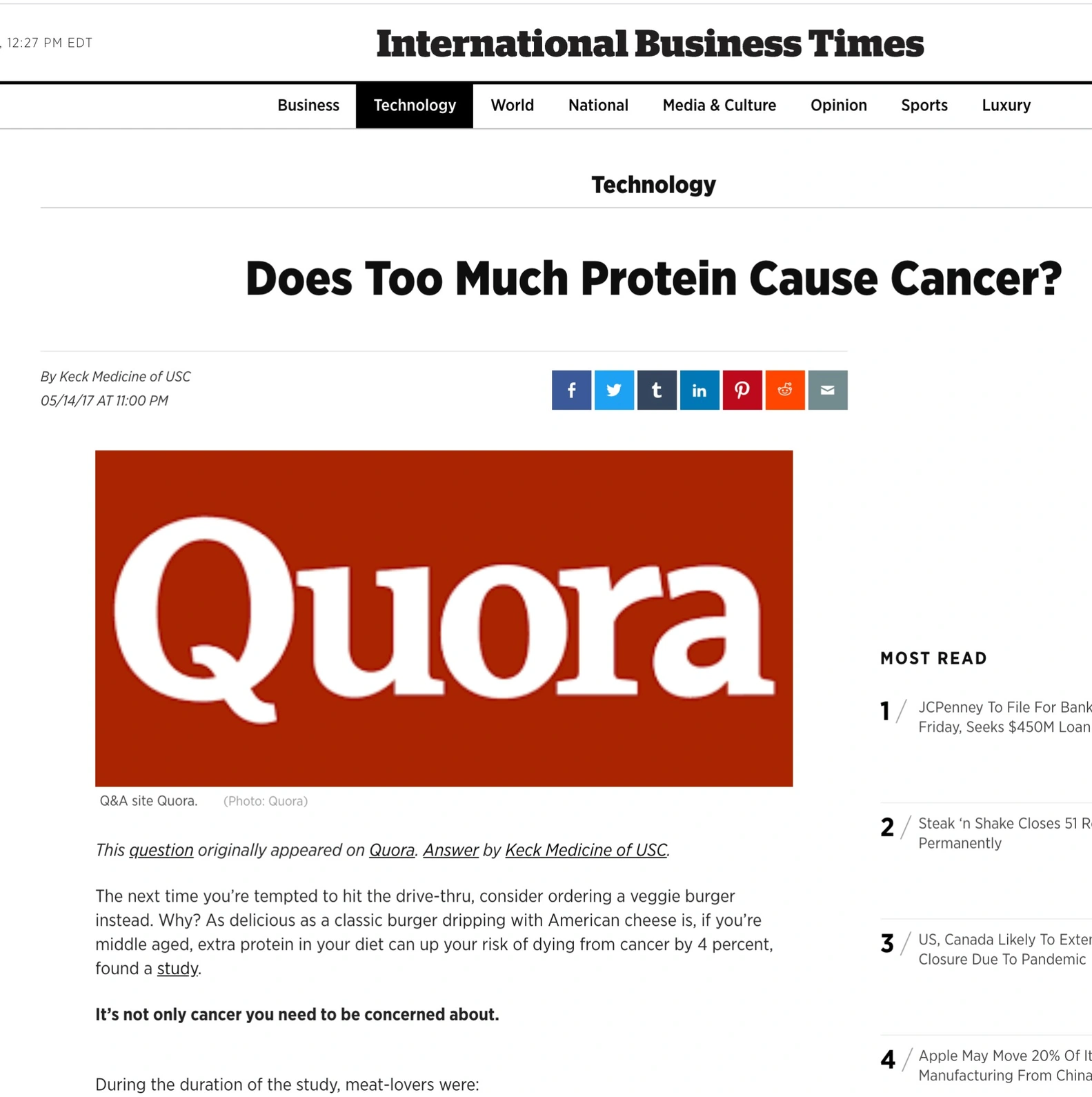 International Business Times
 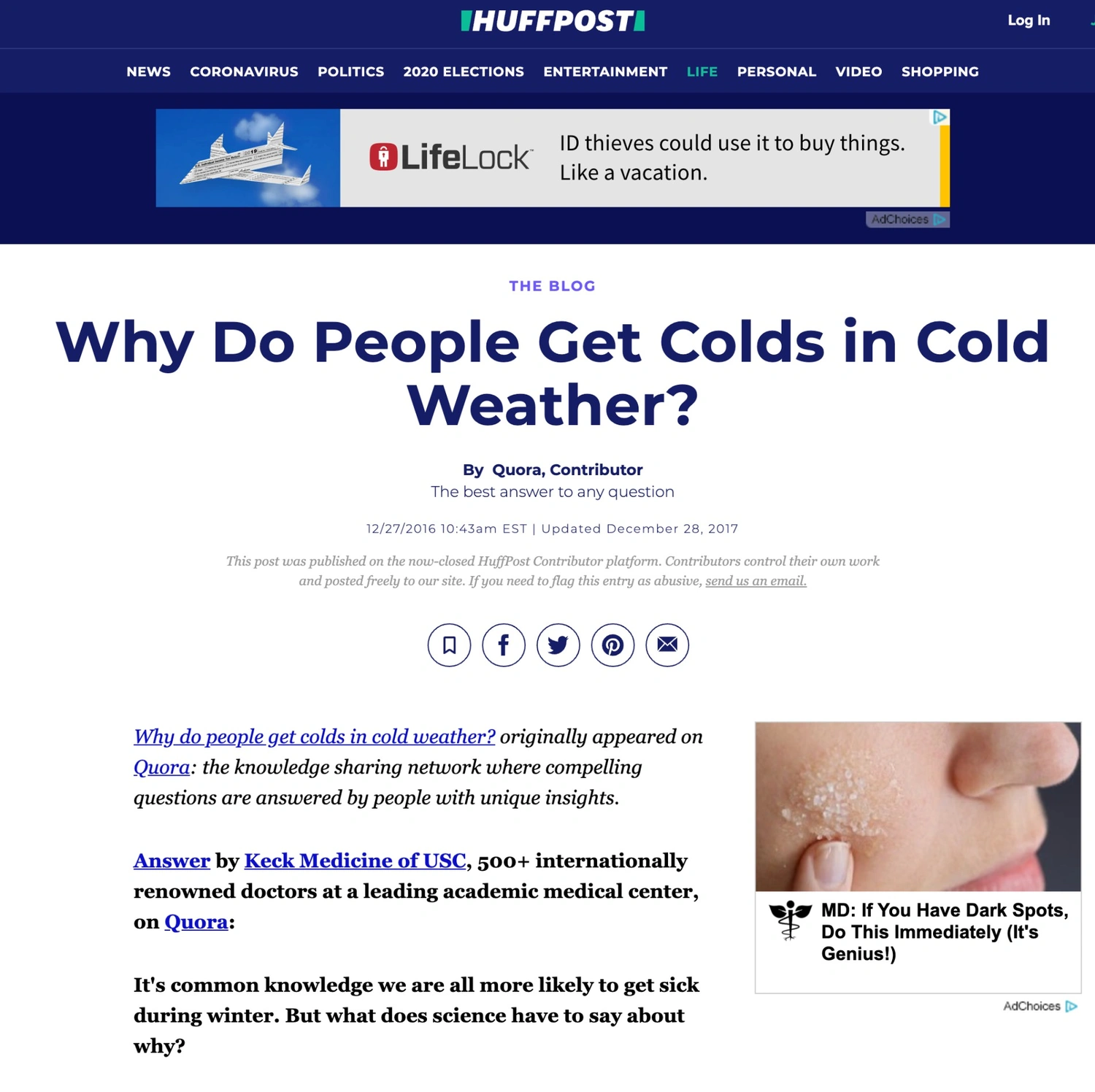 Huffpost
 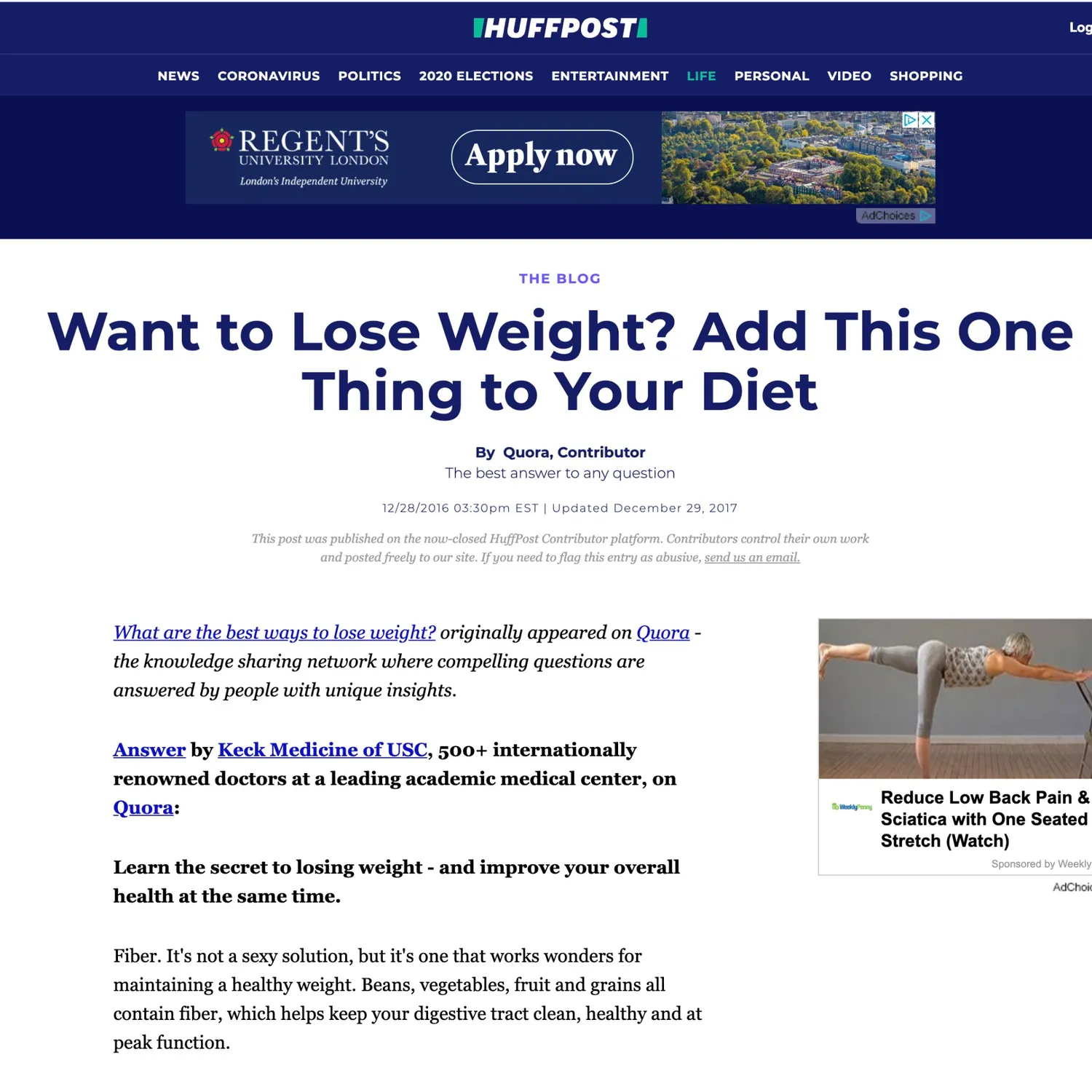 Huffpost
  Huffpost
  Huffpost
  Huffpost
 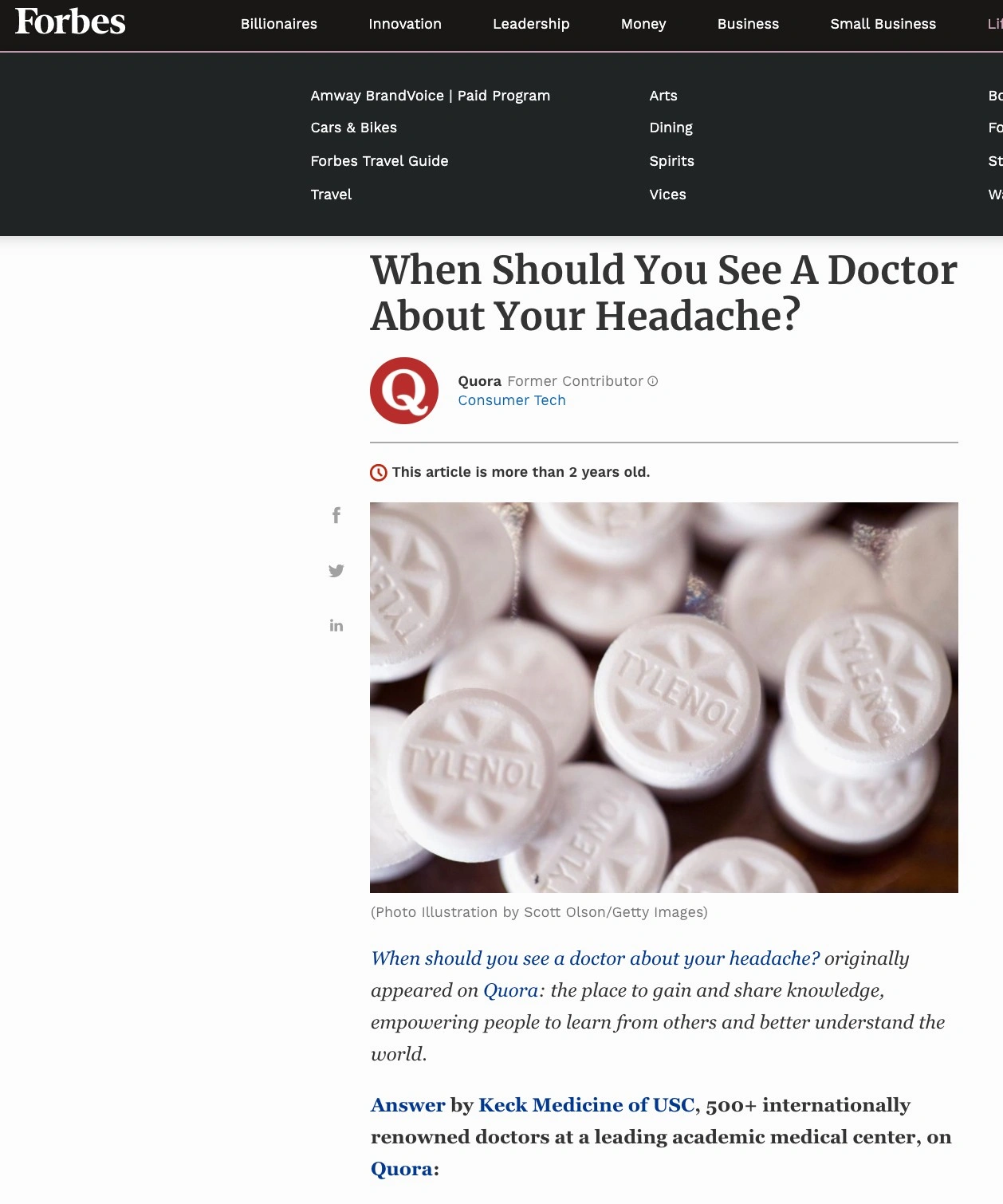 Huffpost
  Forbes
 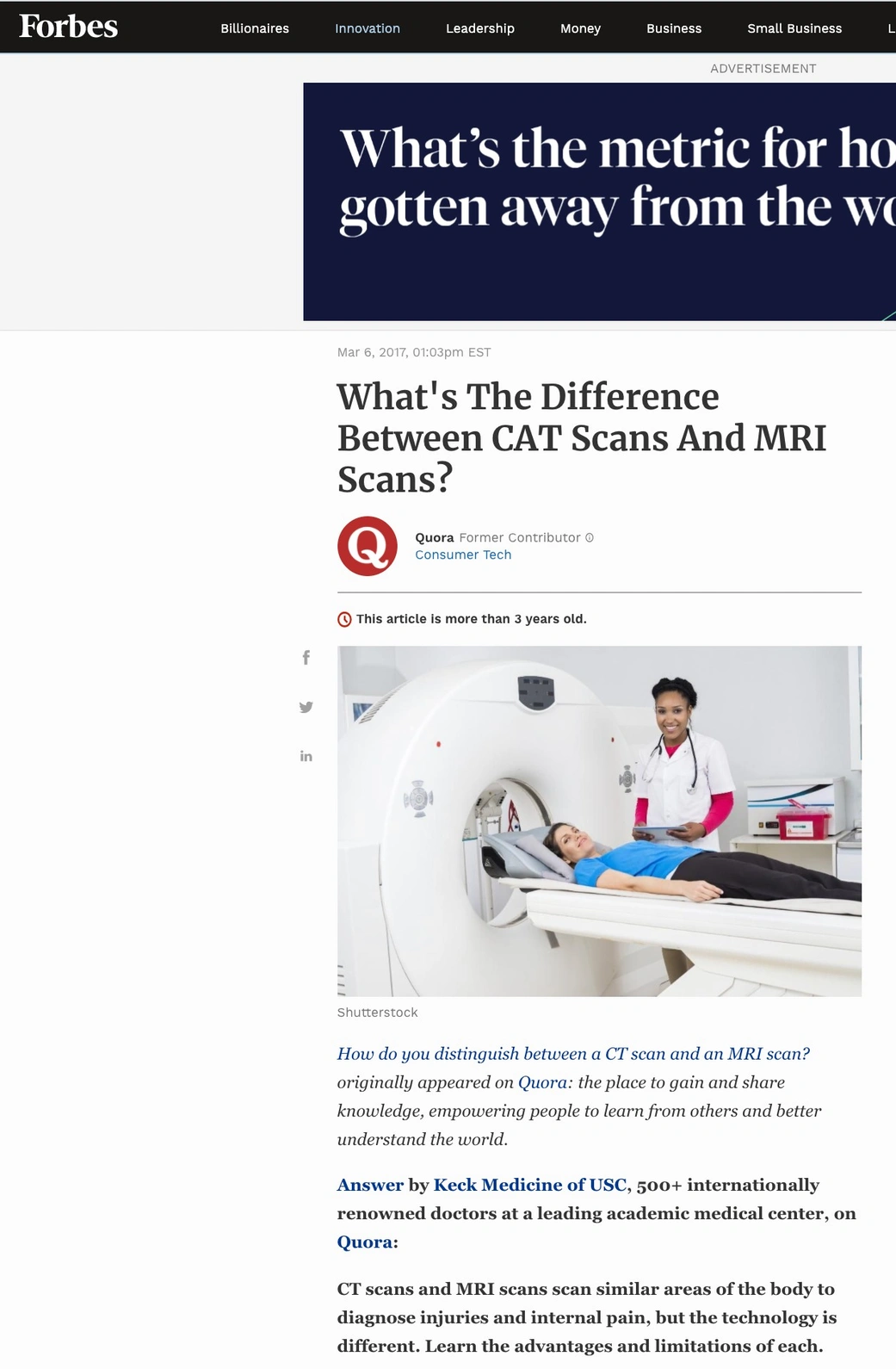 Forbes
 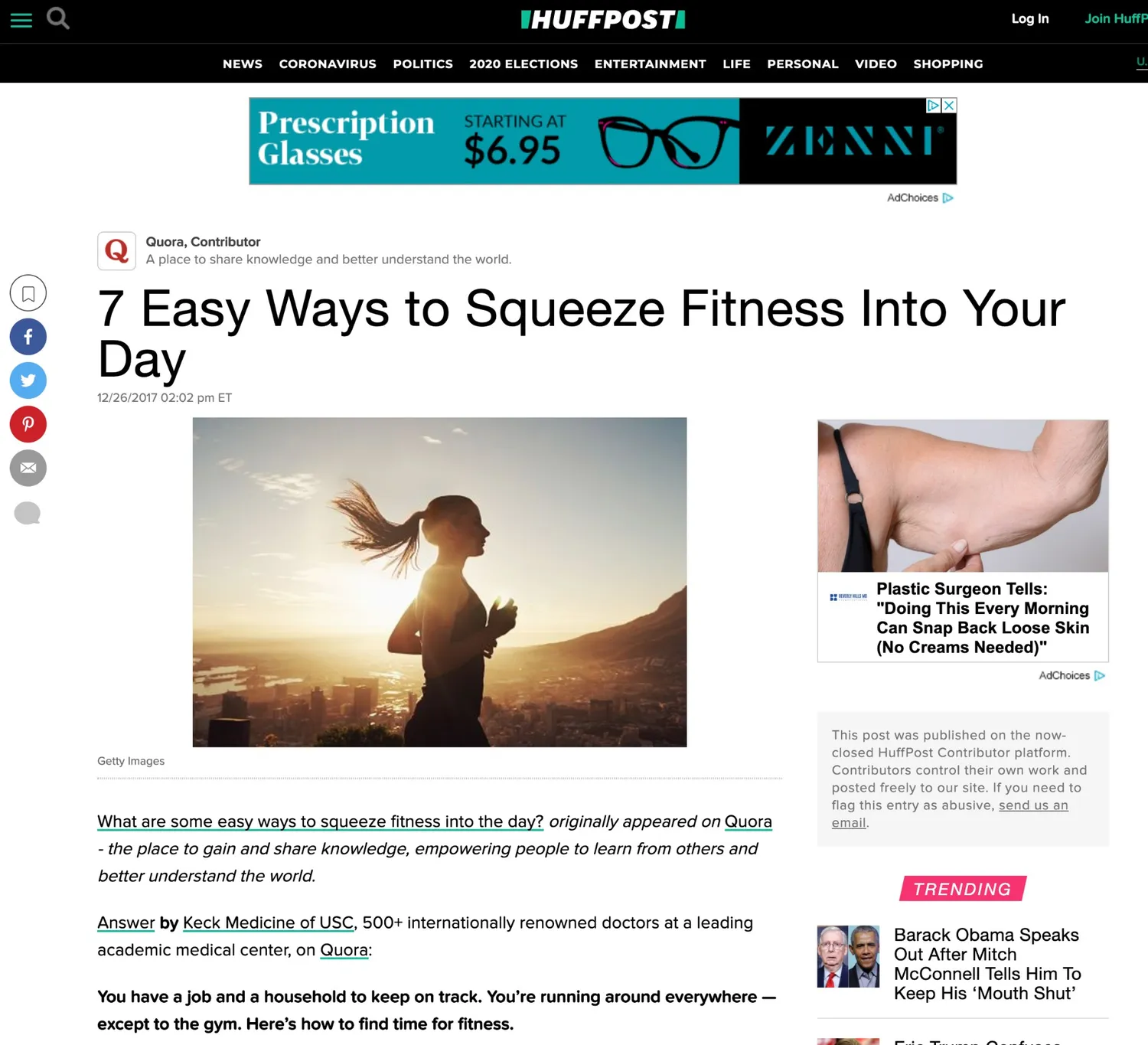 Huffpost
 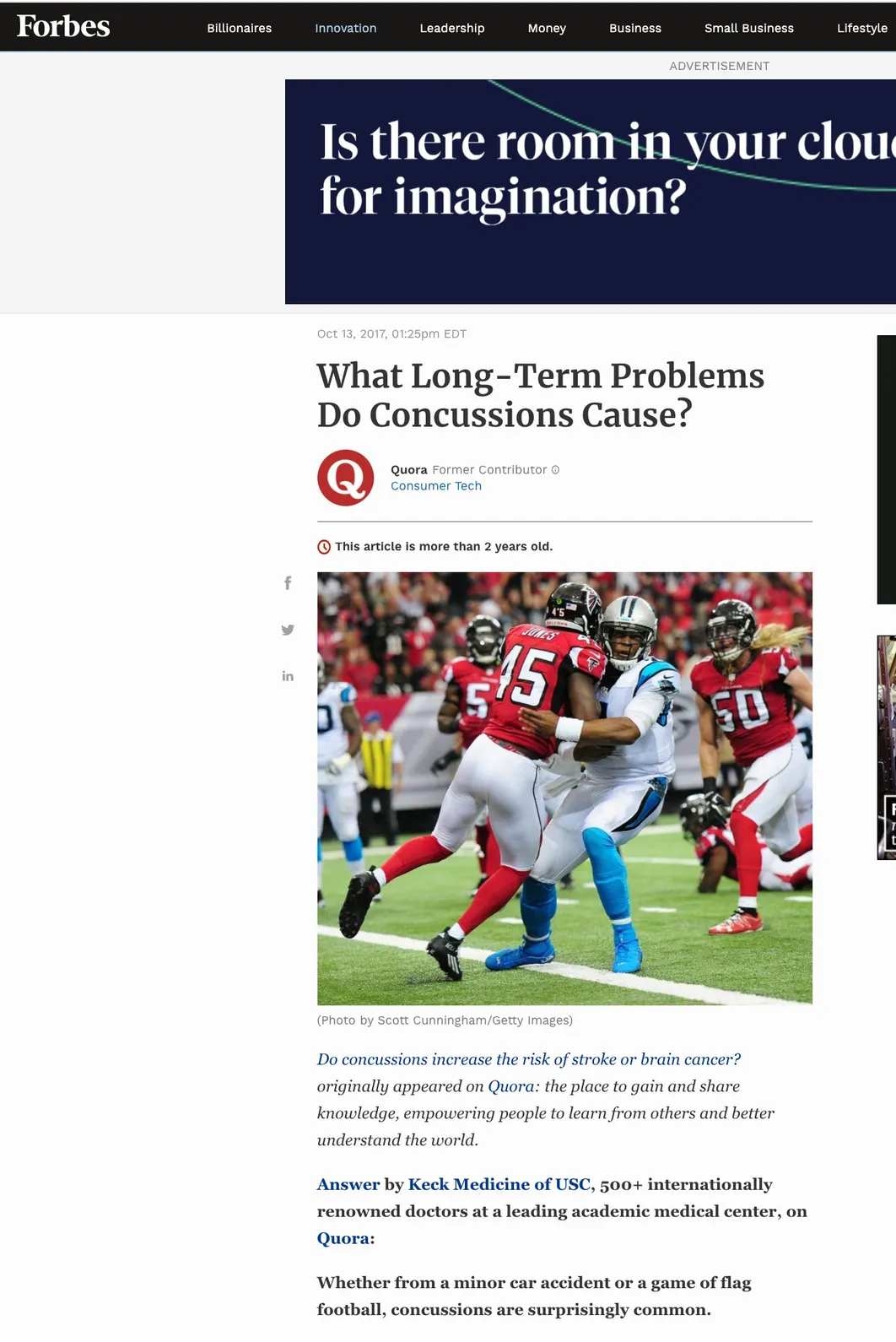 Forbes
  Apple News
  Forbes
 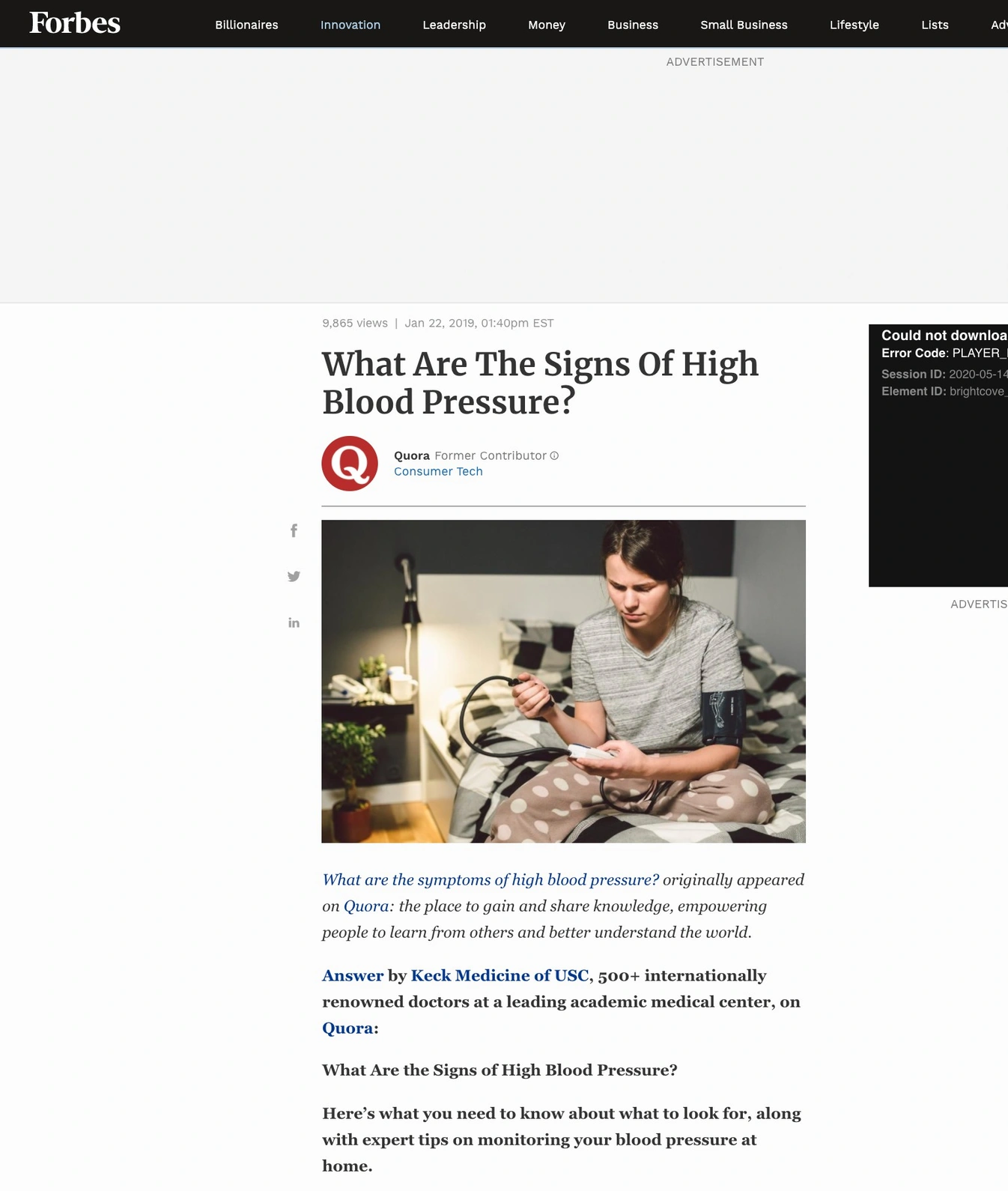 Forbes
 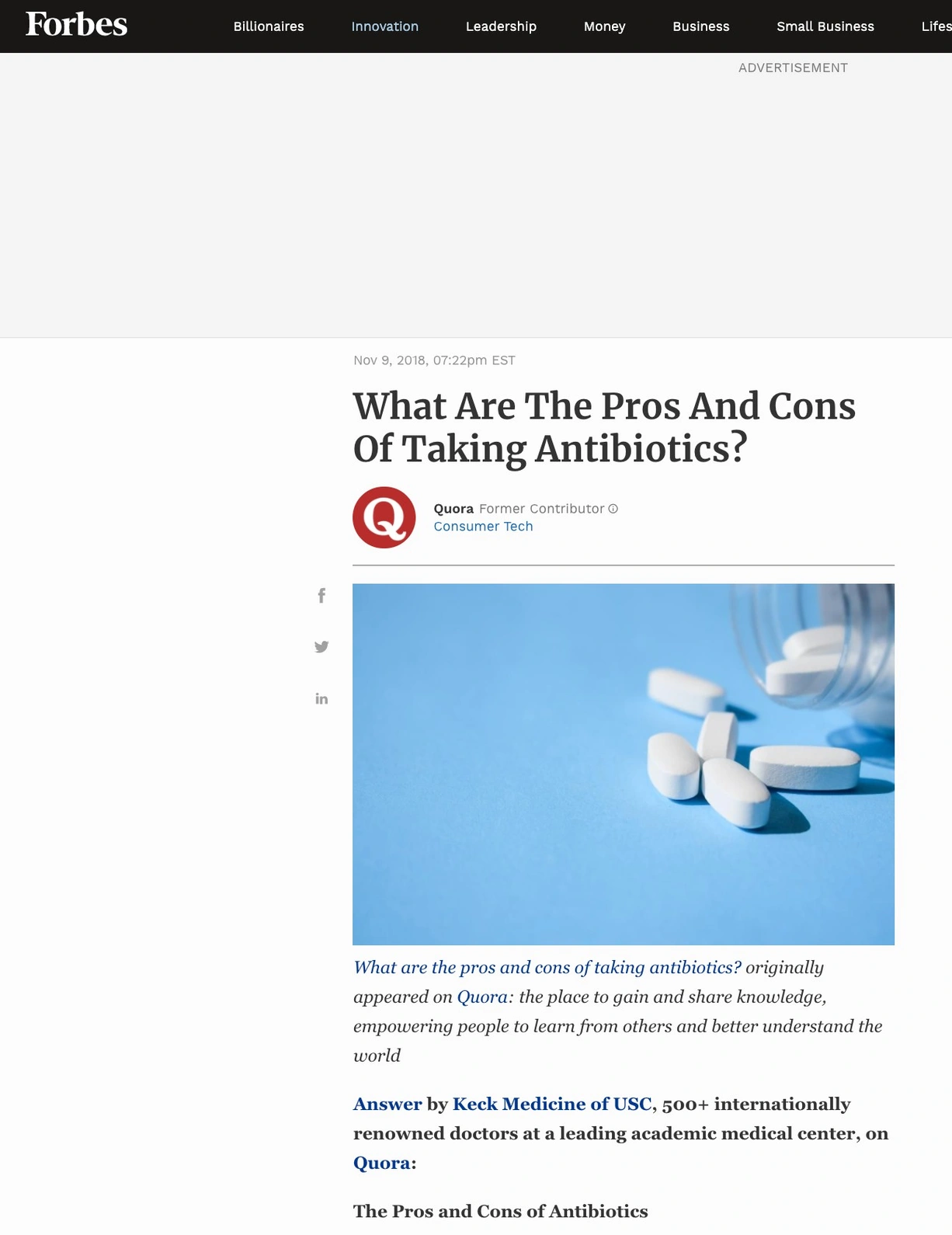 Forbes
 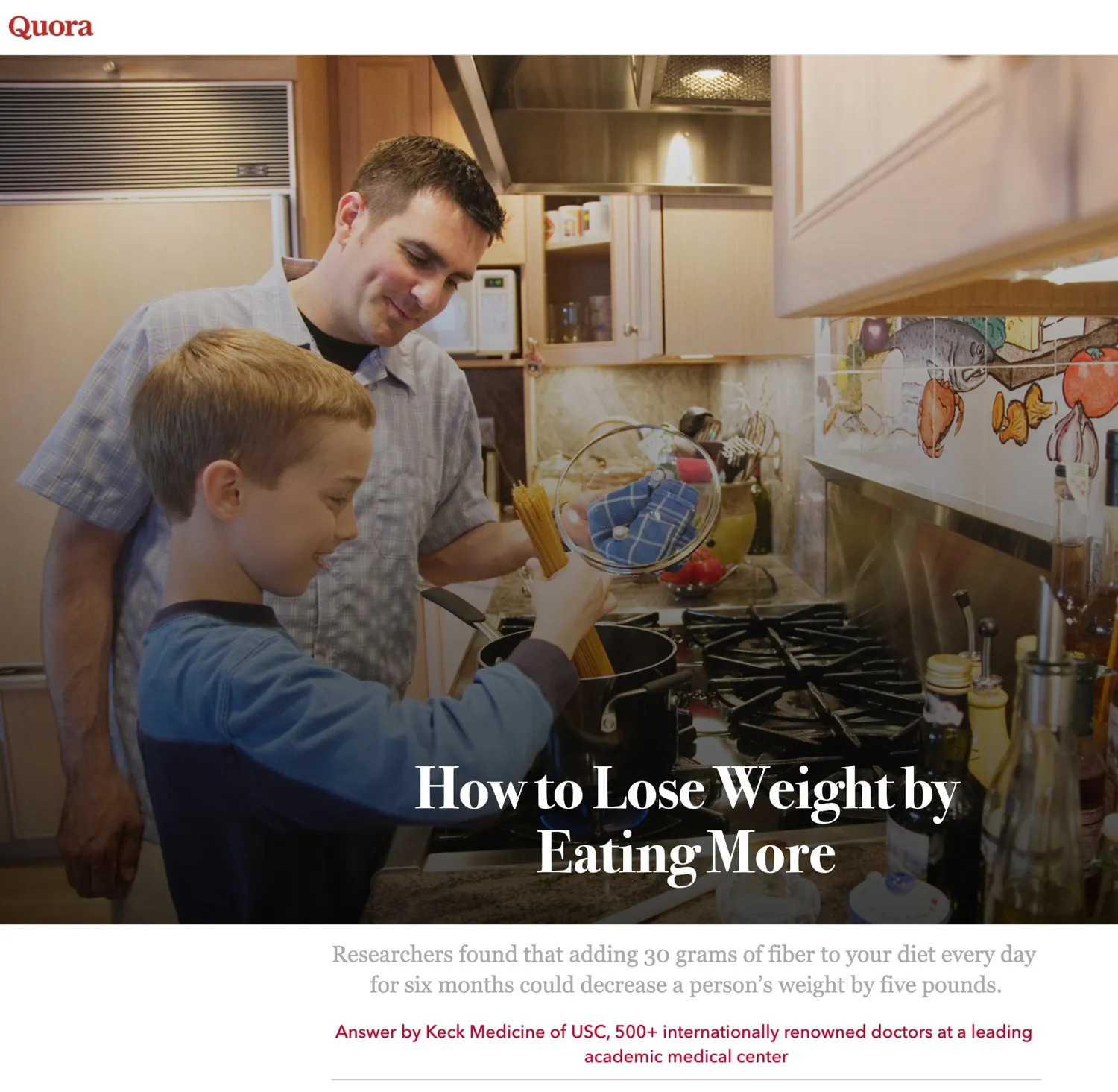 Apple News
 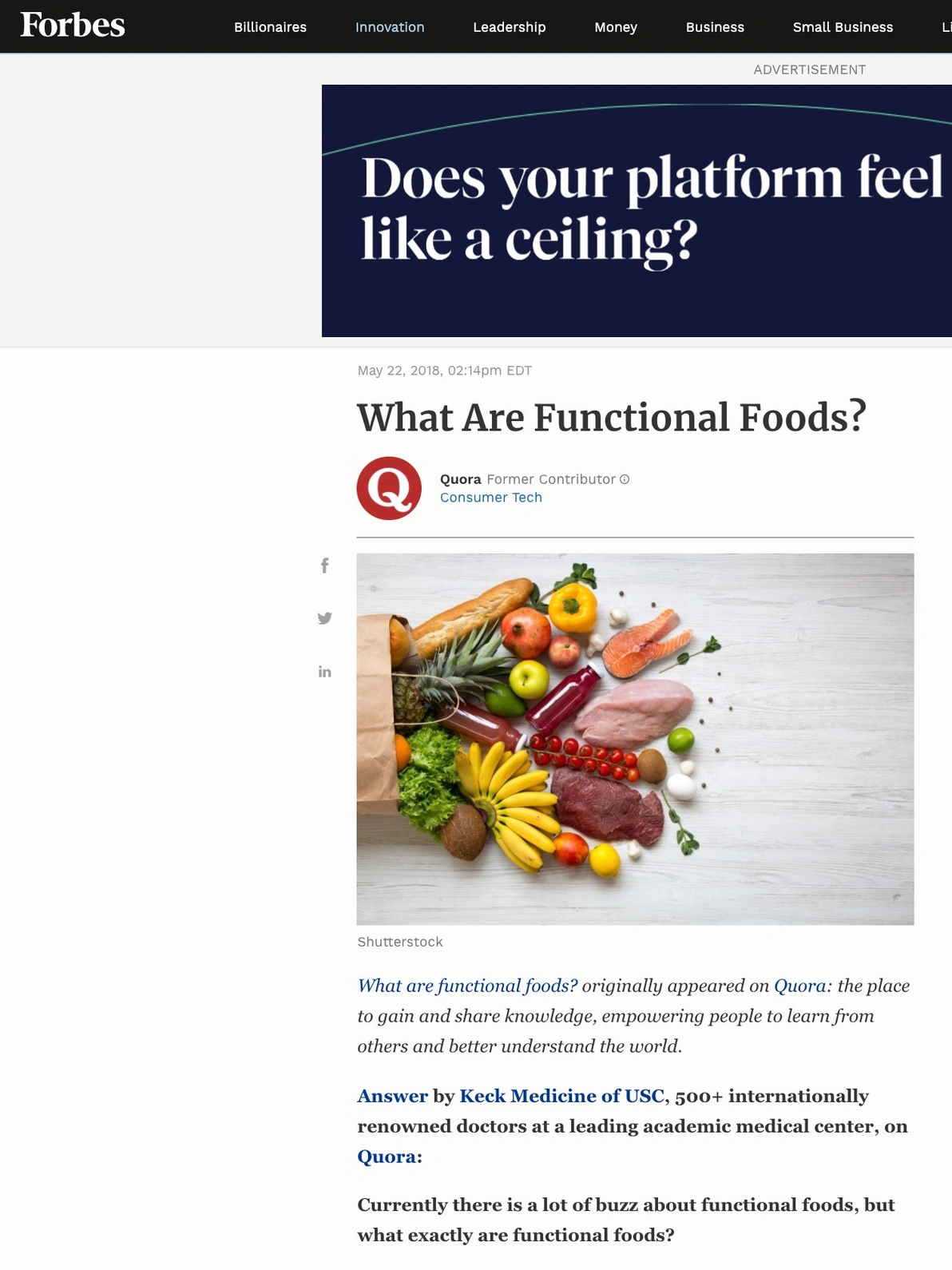 Forbes
  Apple News
 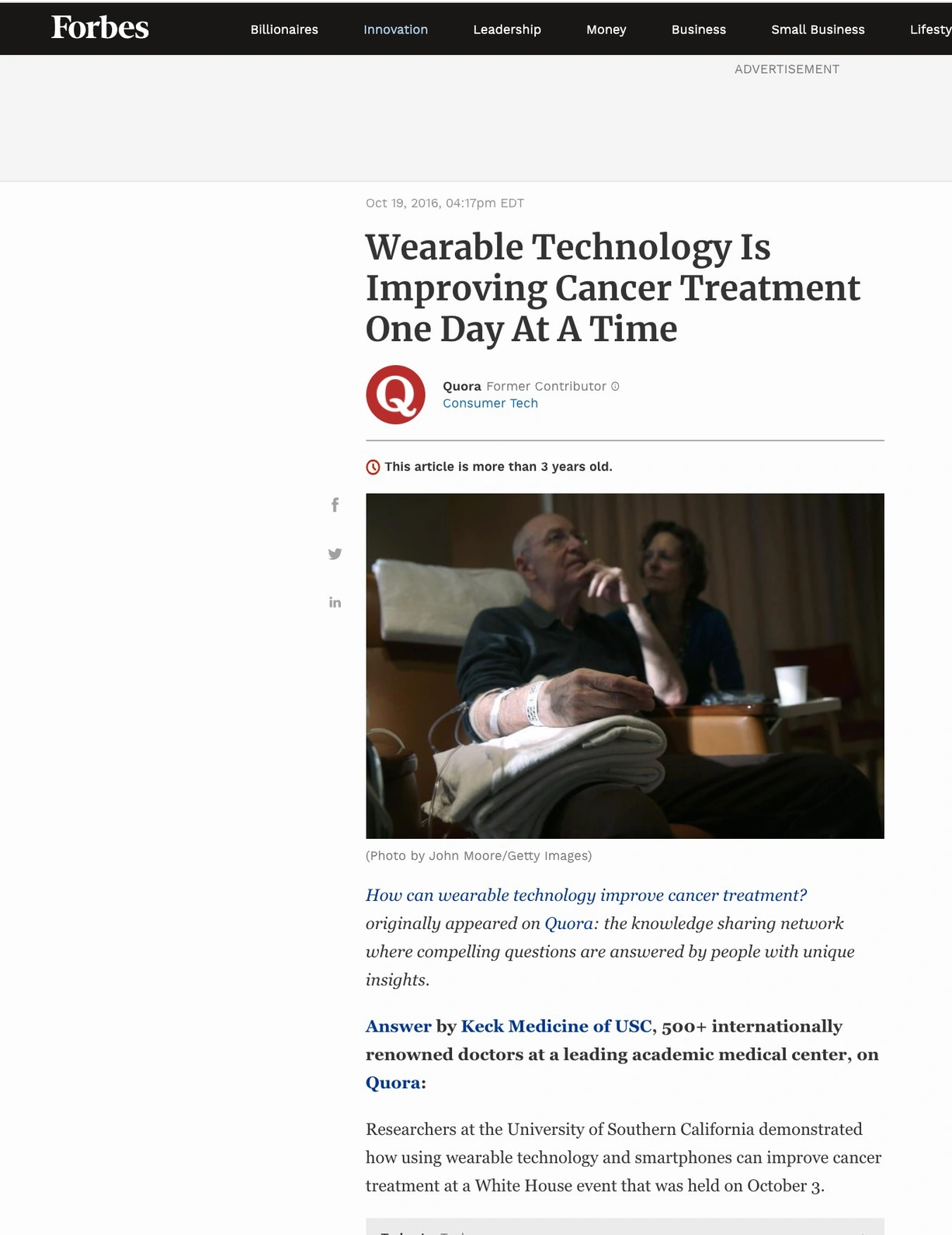 Forbes
  Time Magazine
 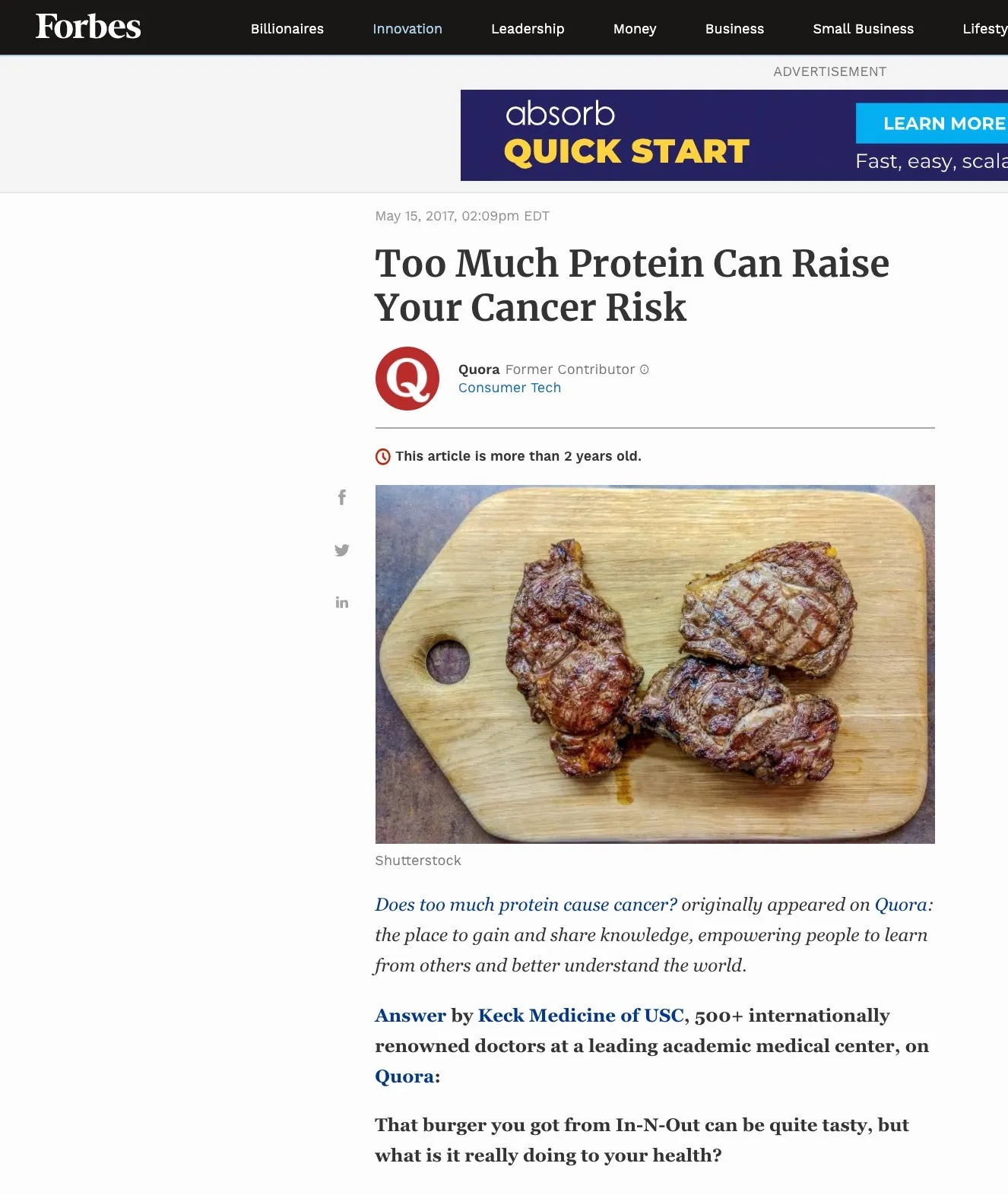 Forbes
 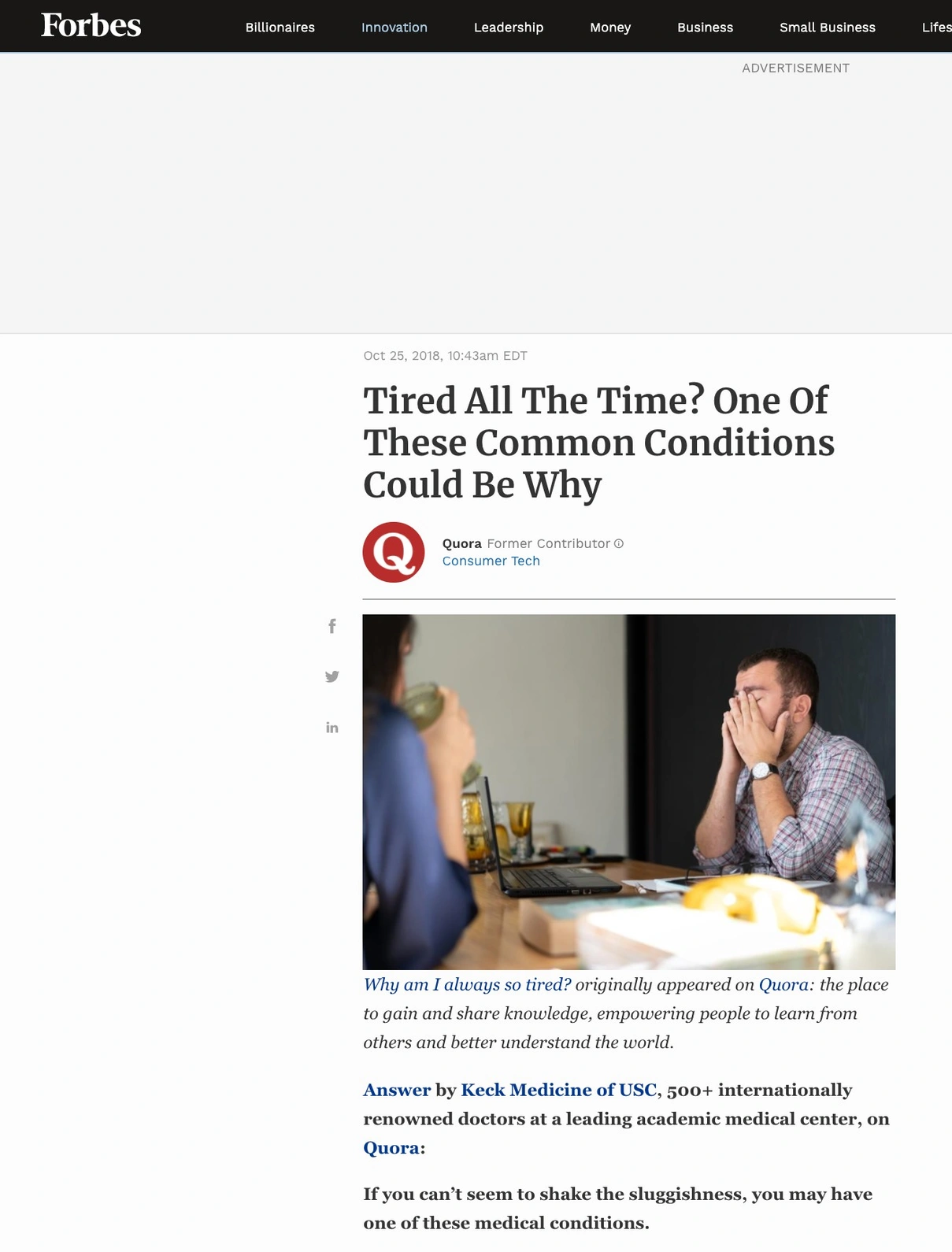 Forbes
  Apple News
  Forbes
 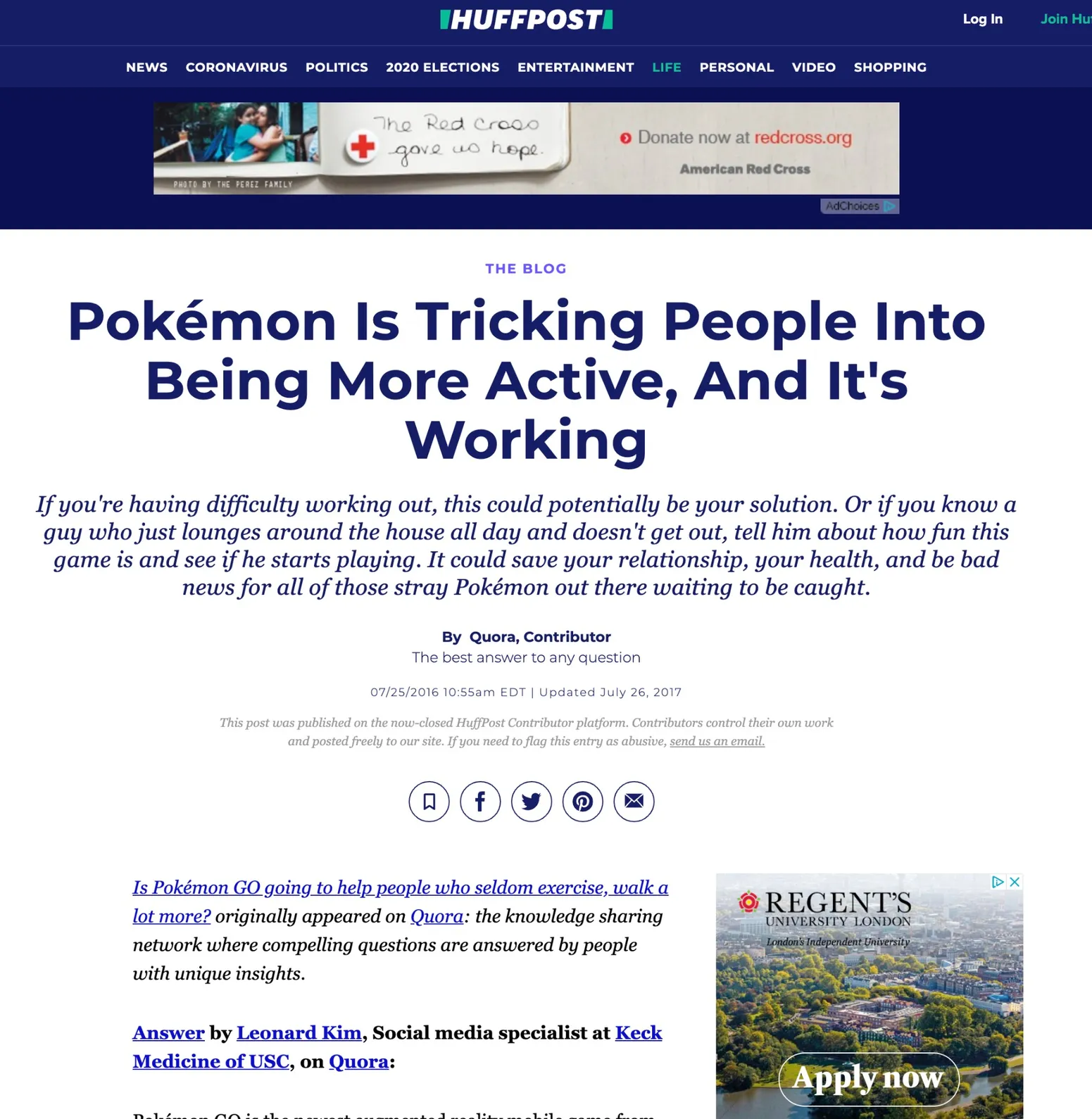 Huffpost
 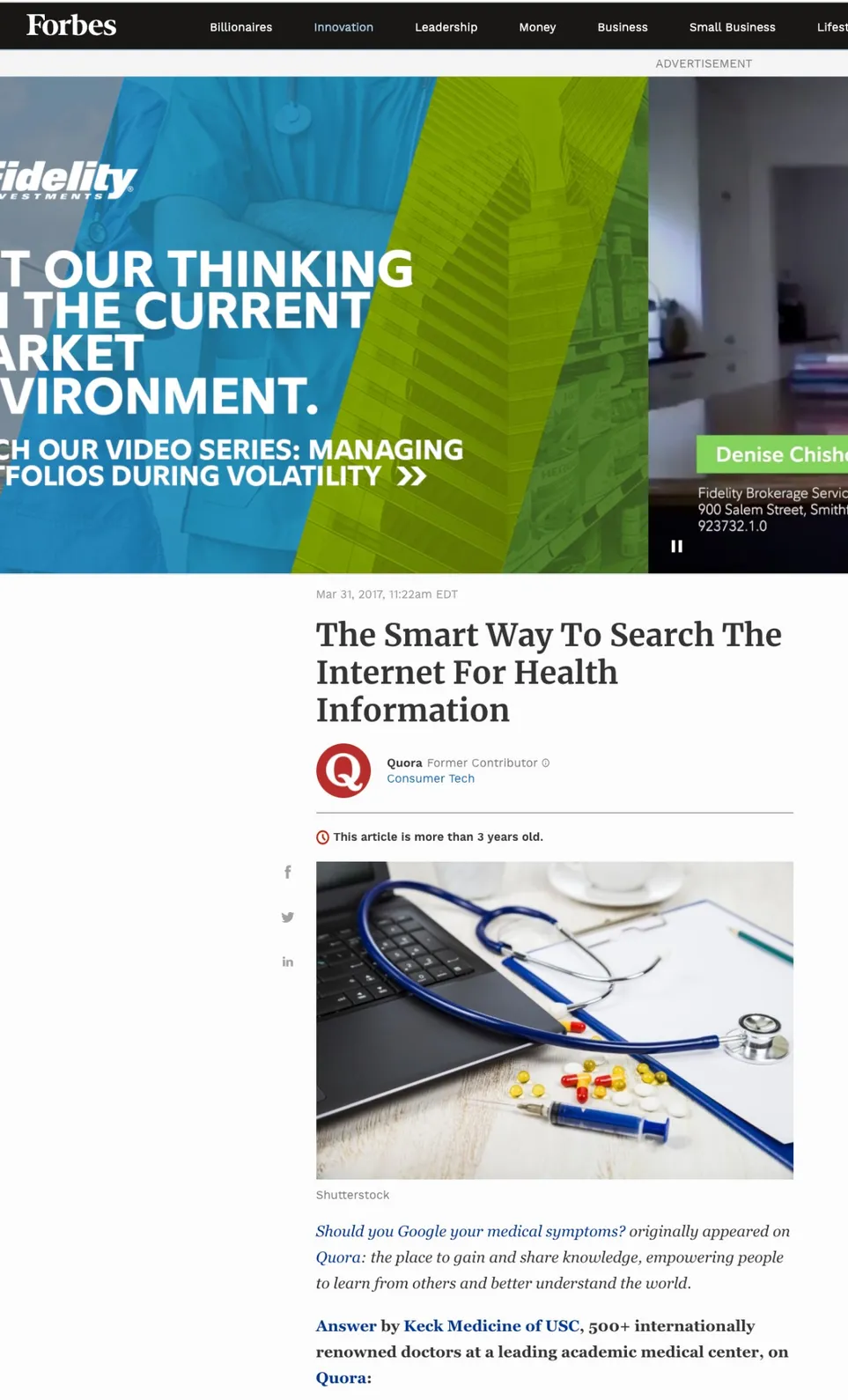 Forbes
  Forbes
  Apple News
 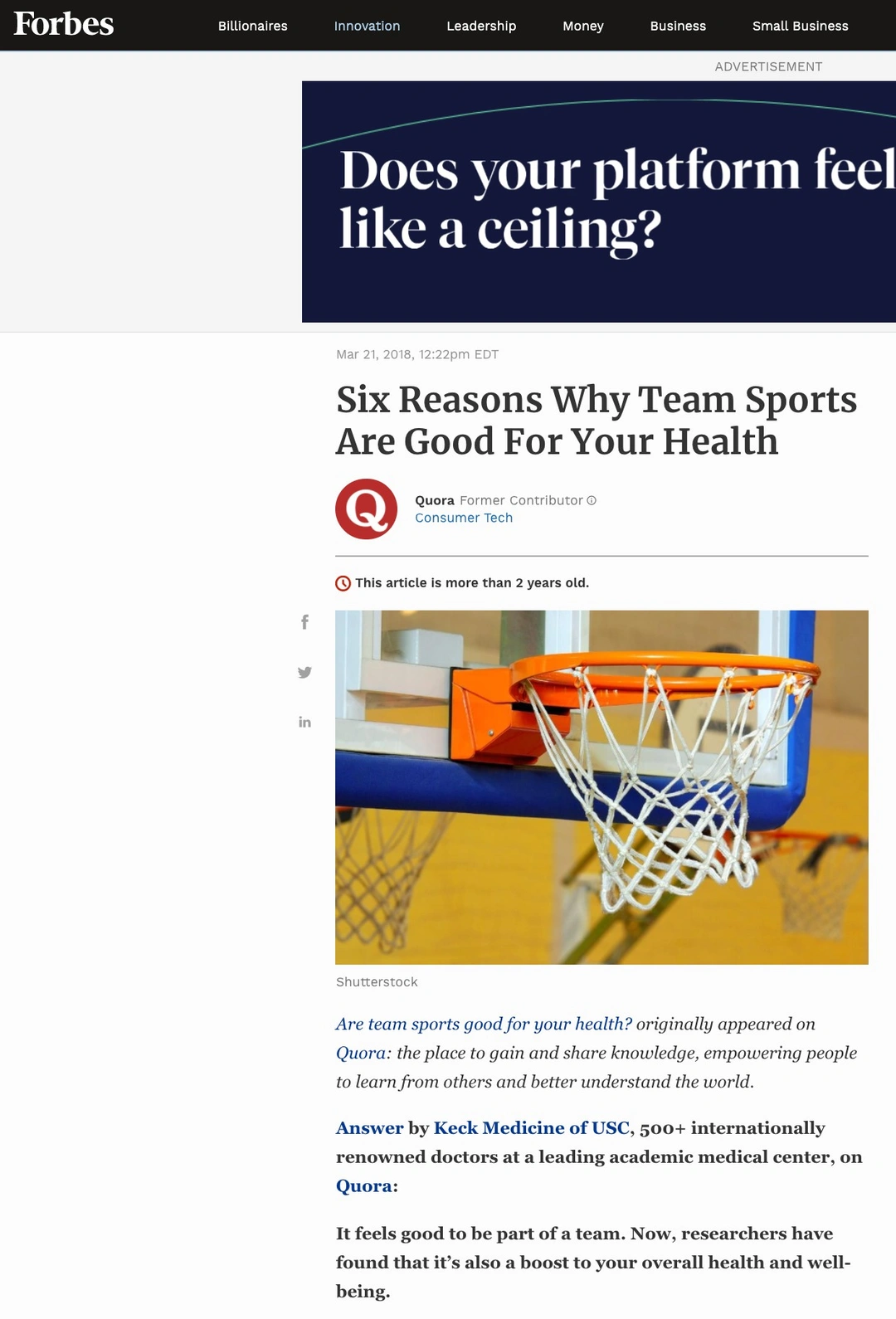 Forbes
  Forbes
 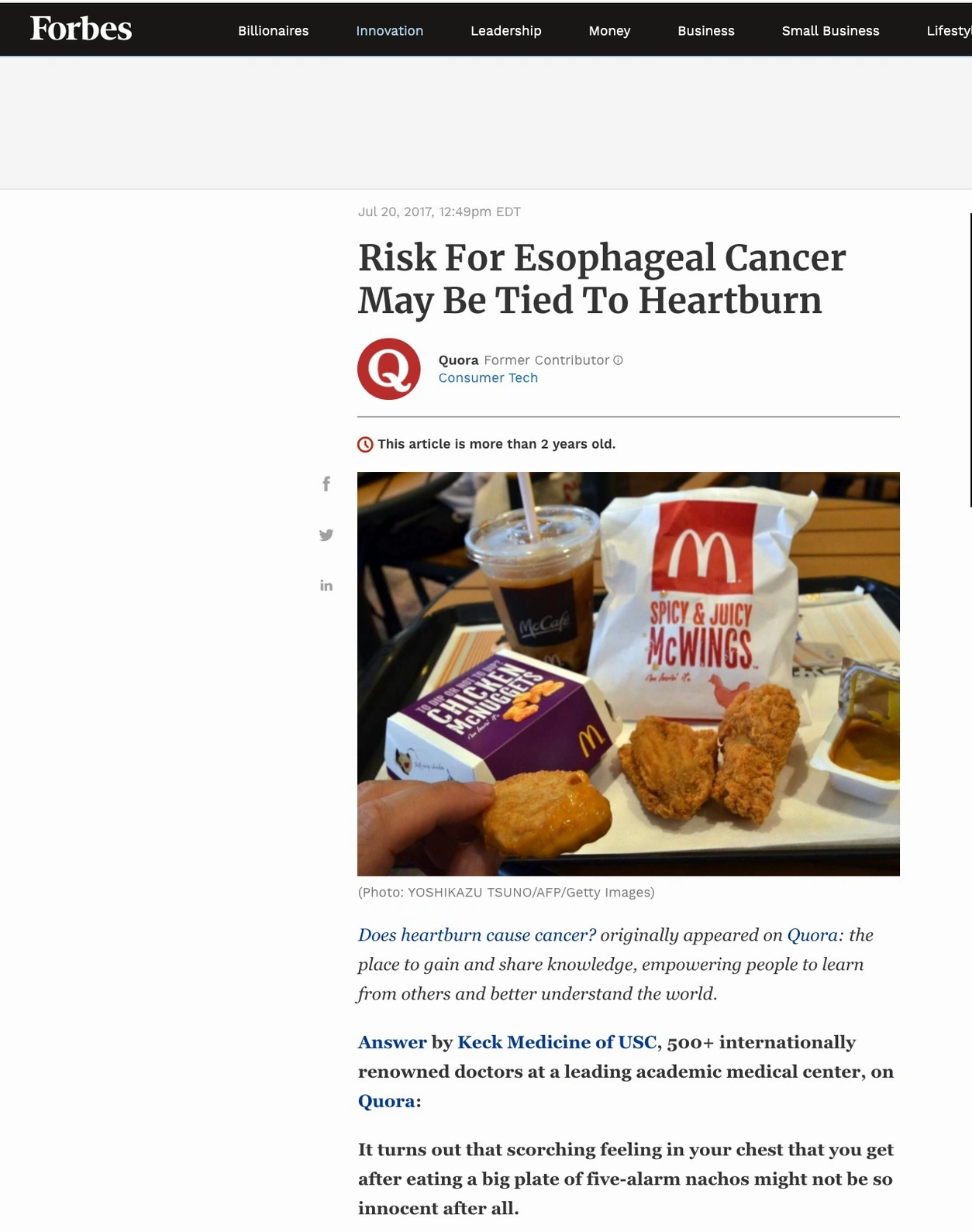 Forbes
  Apple News
  Forbes
  Forbes
 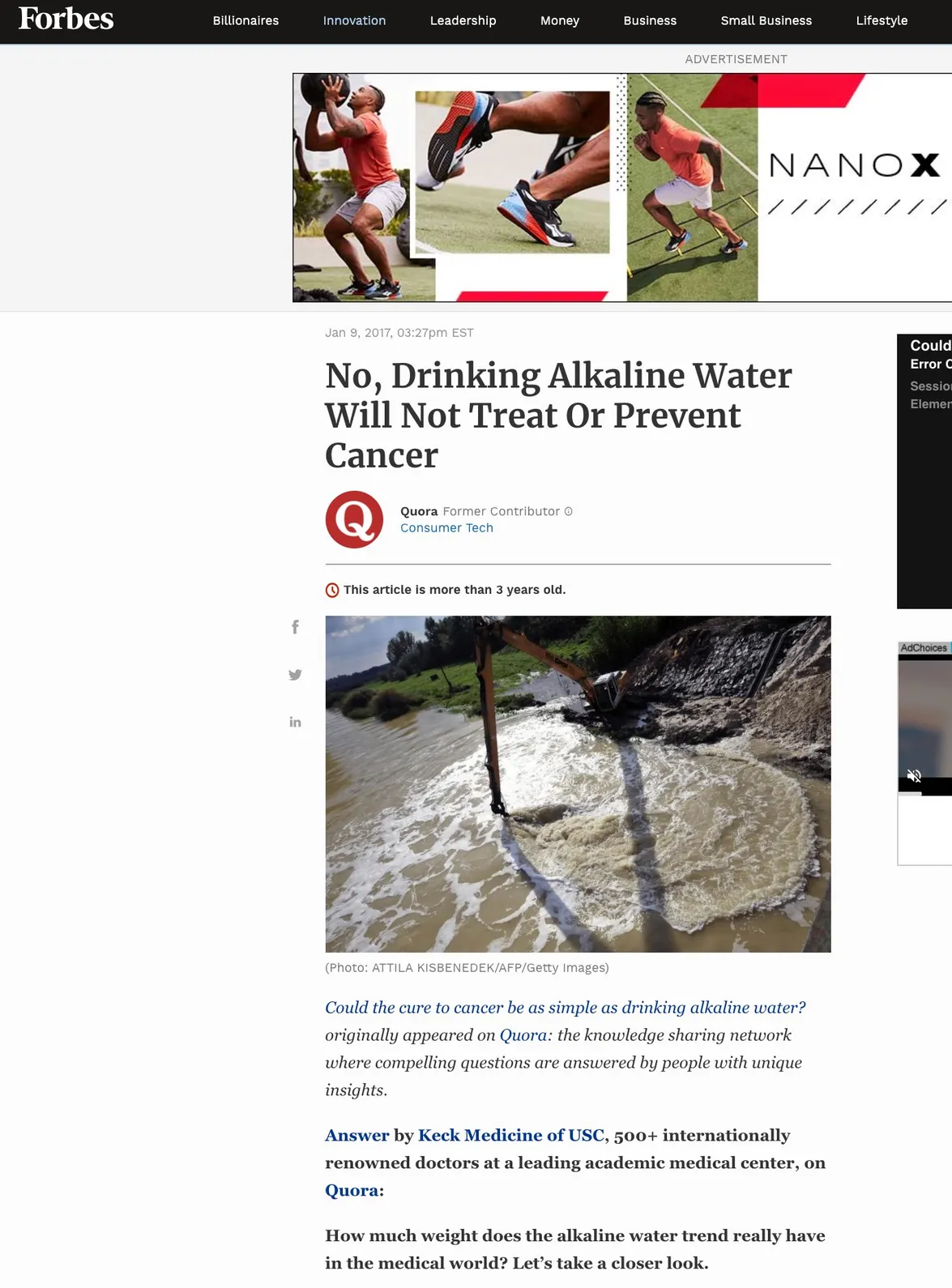 Forbes
 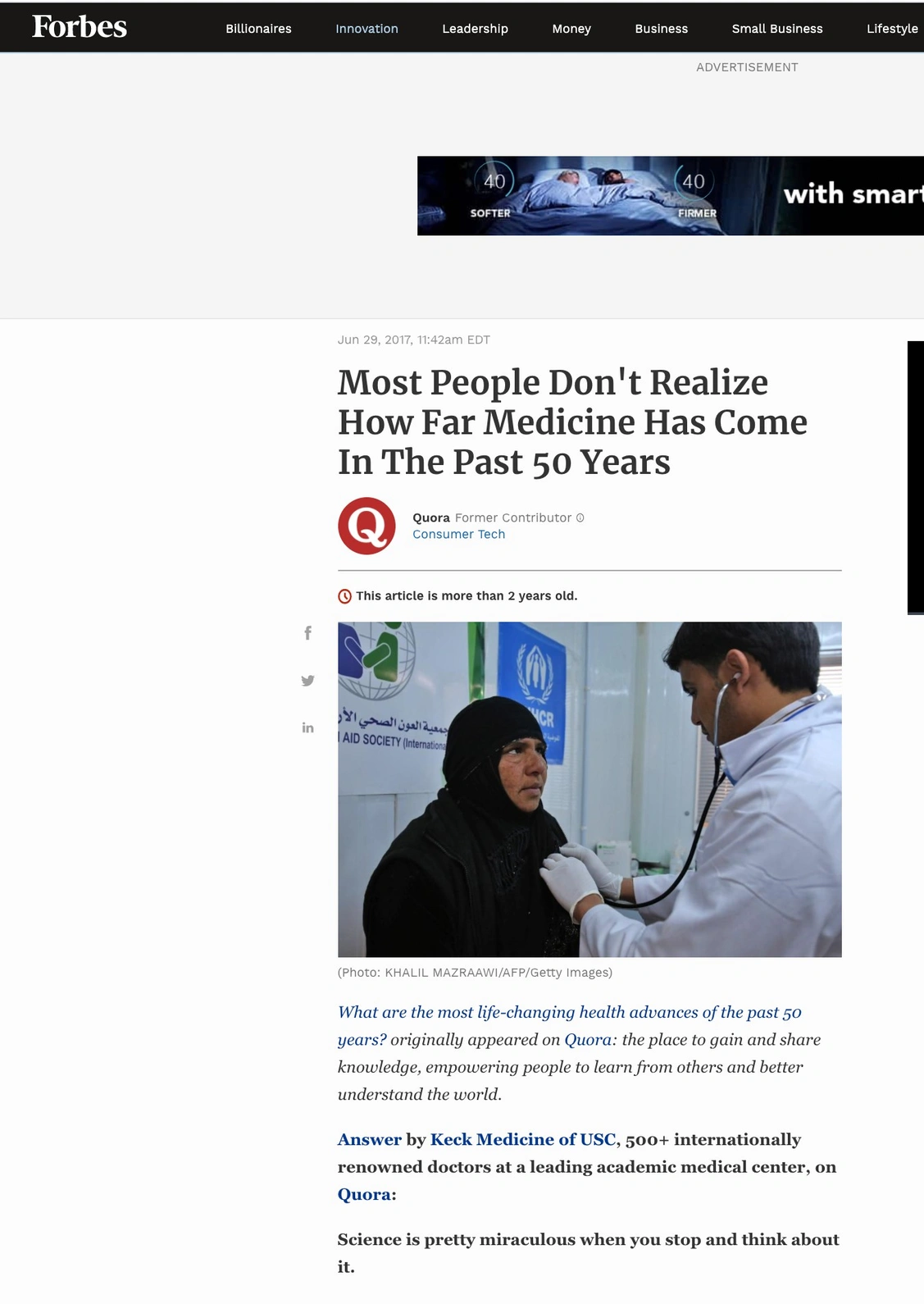 Forbes
  Apple News
 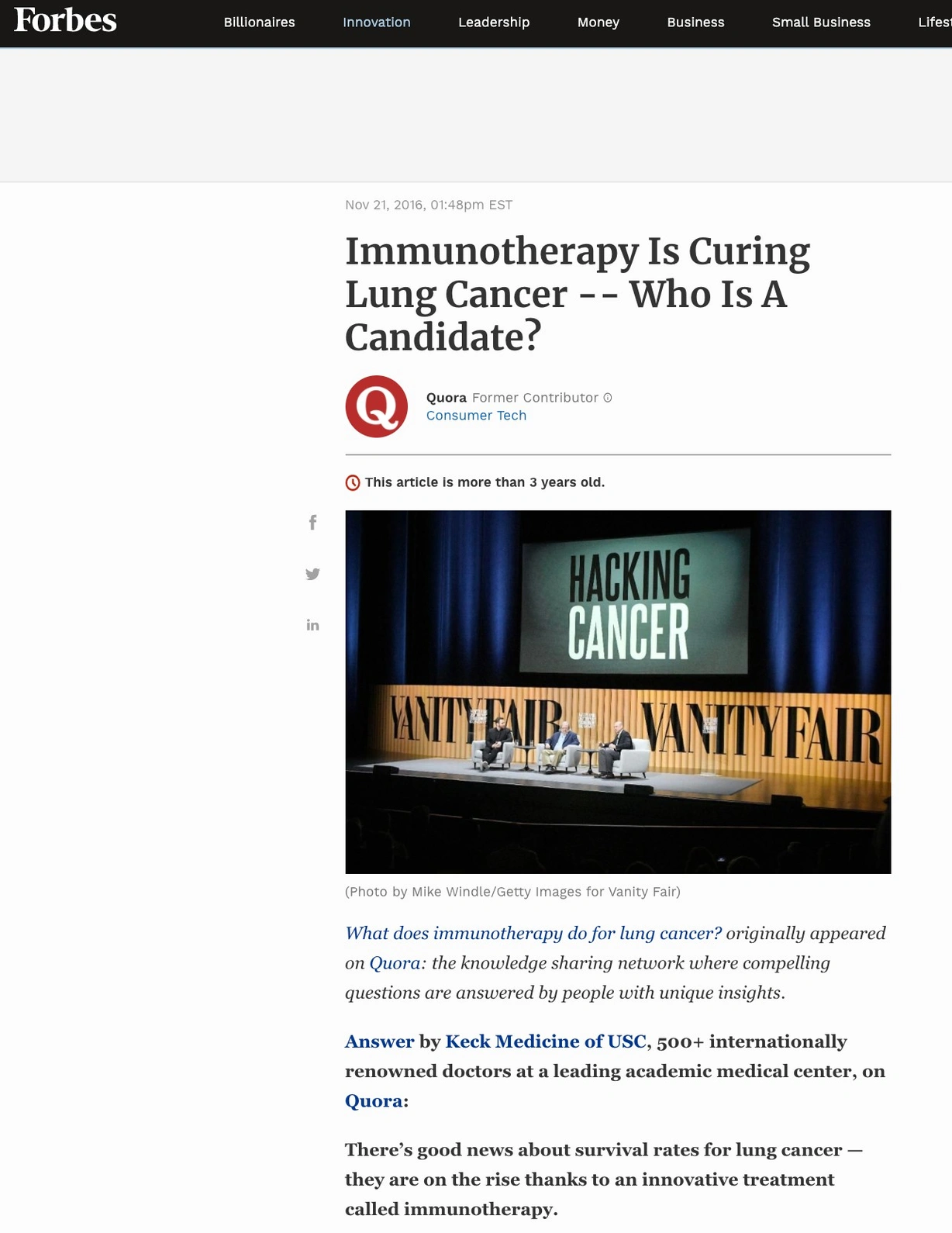 Forbes
  Apple News
 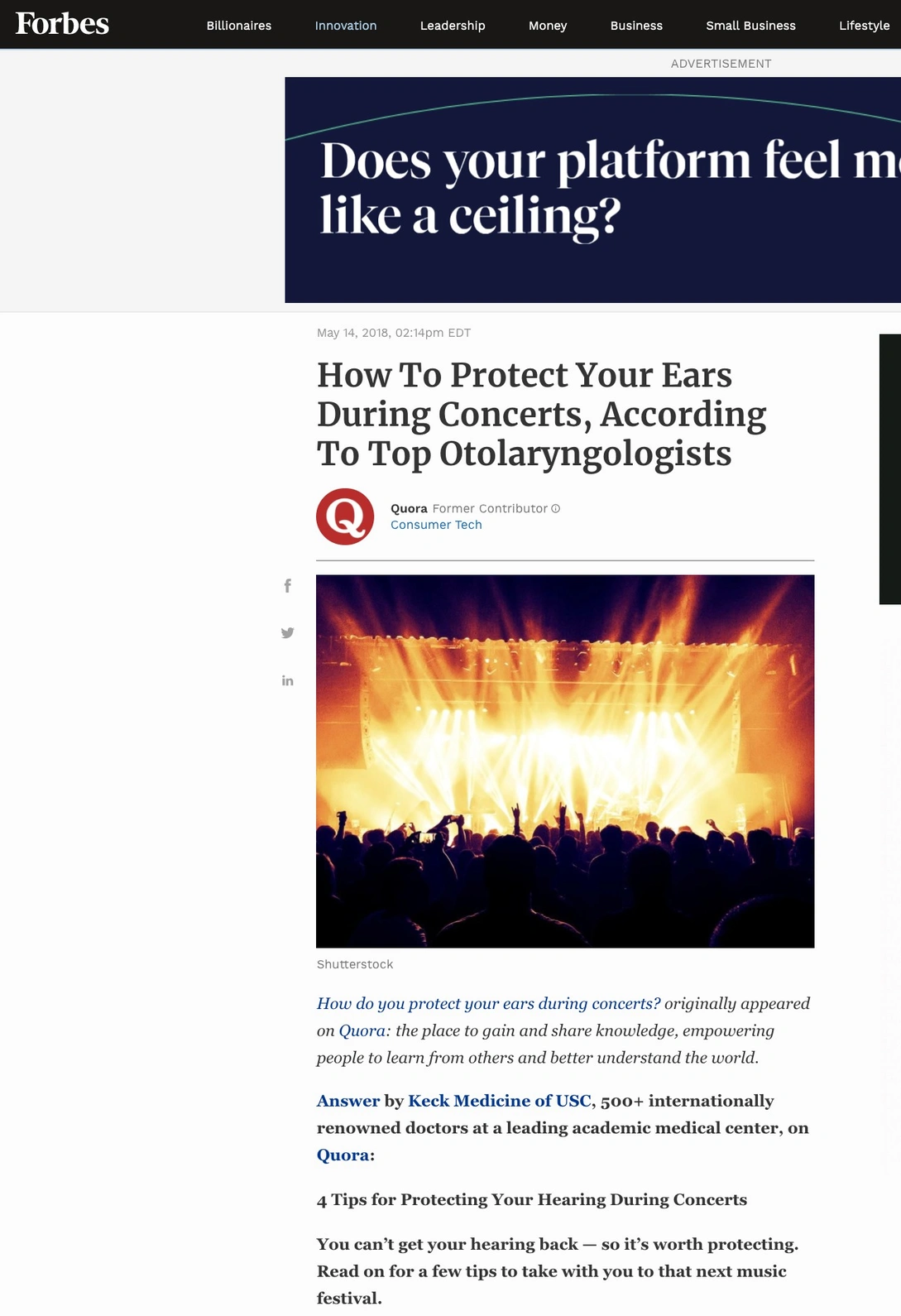 Forbes
 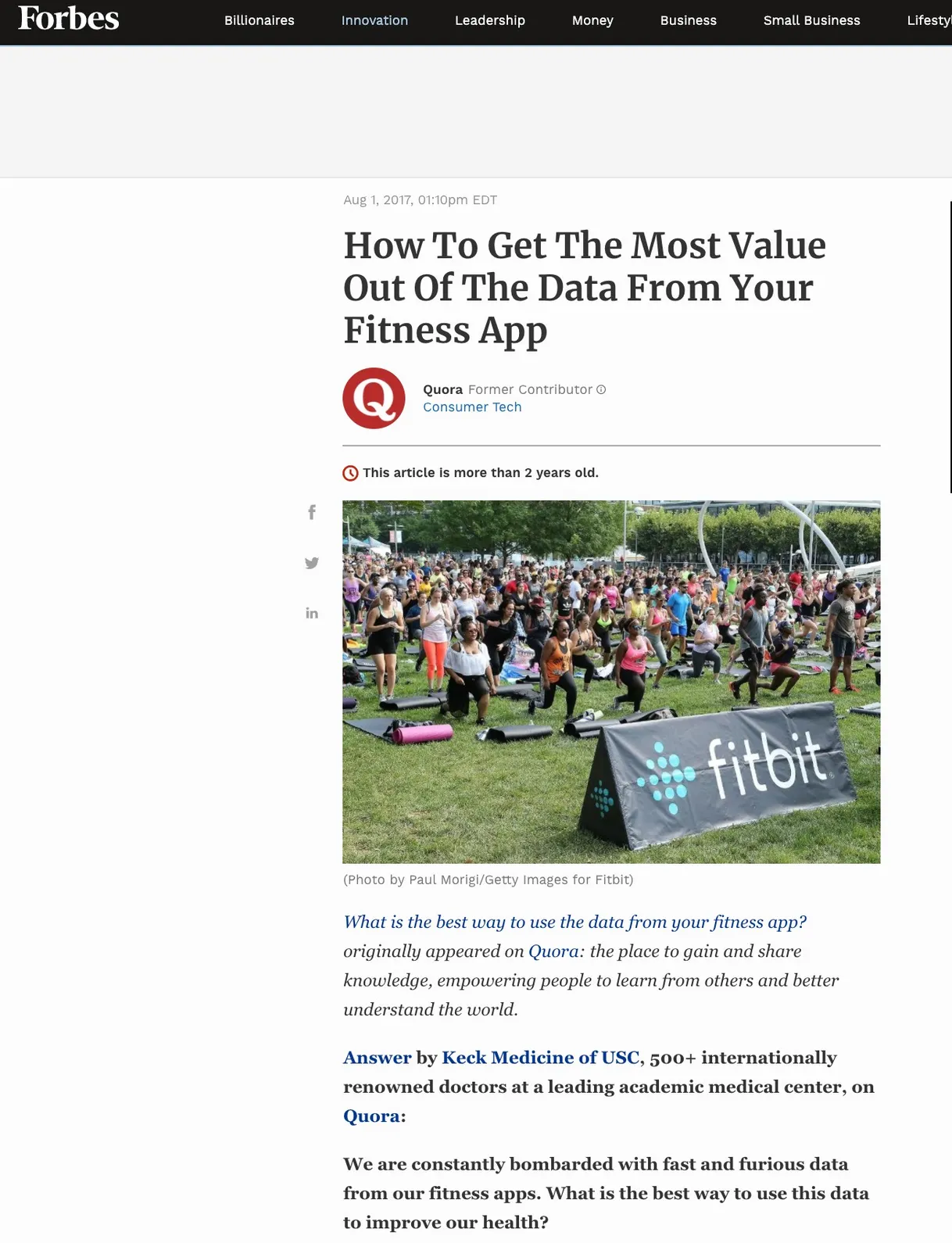 Forbes
  Forbes
  Apple News
  Forbes
 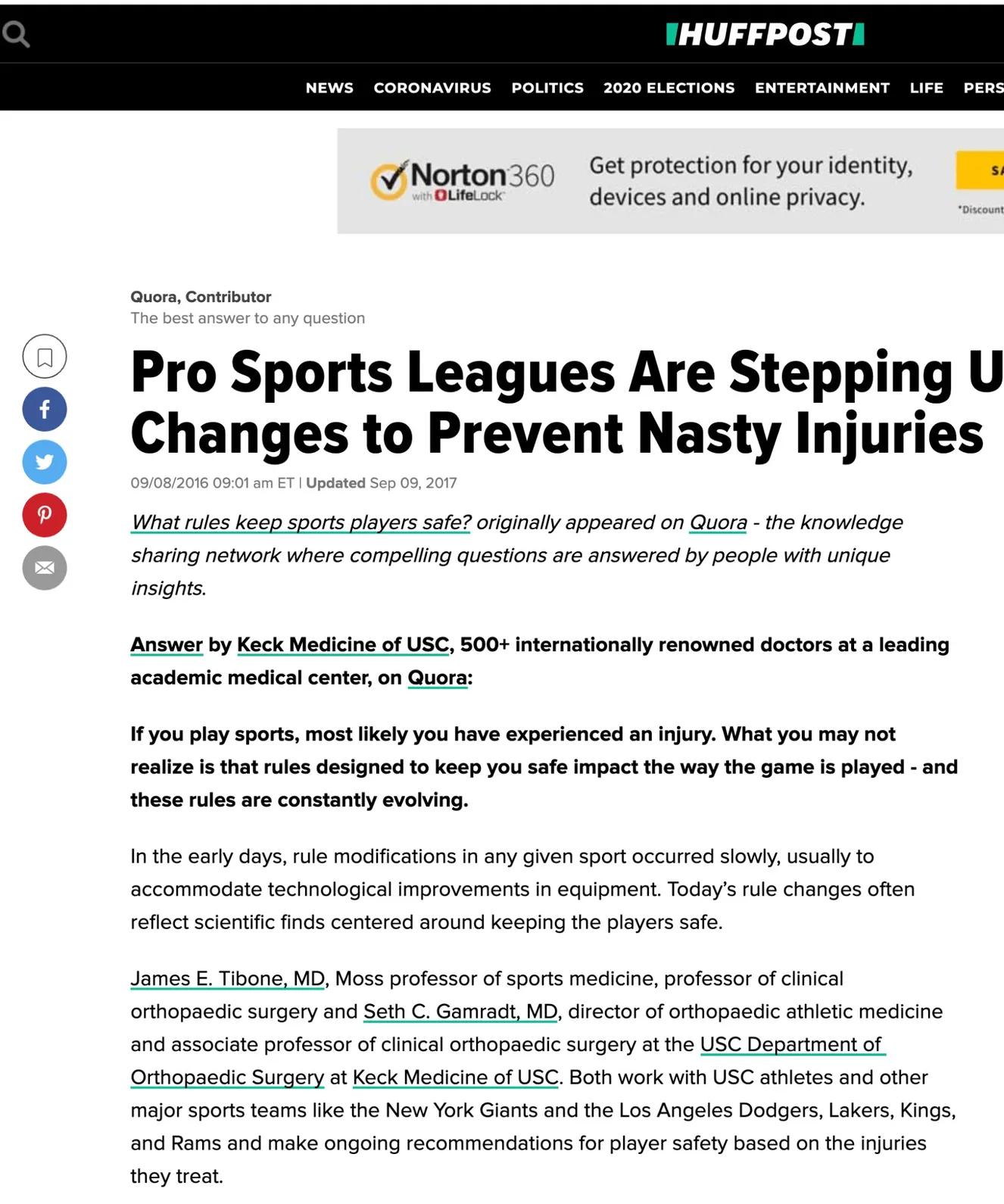 Huffpost
  Forbes
 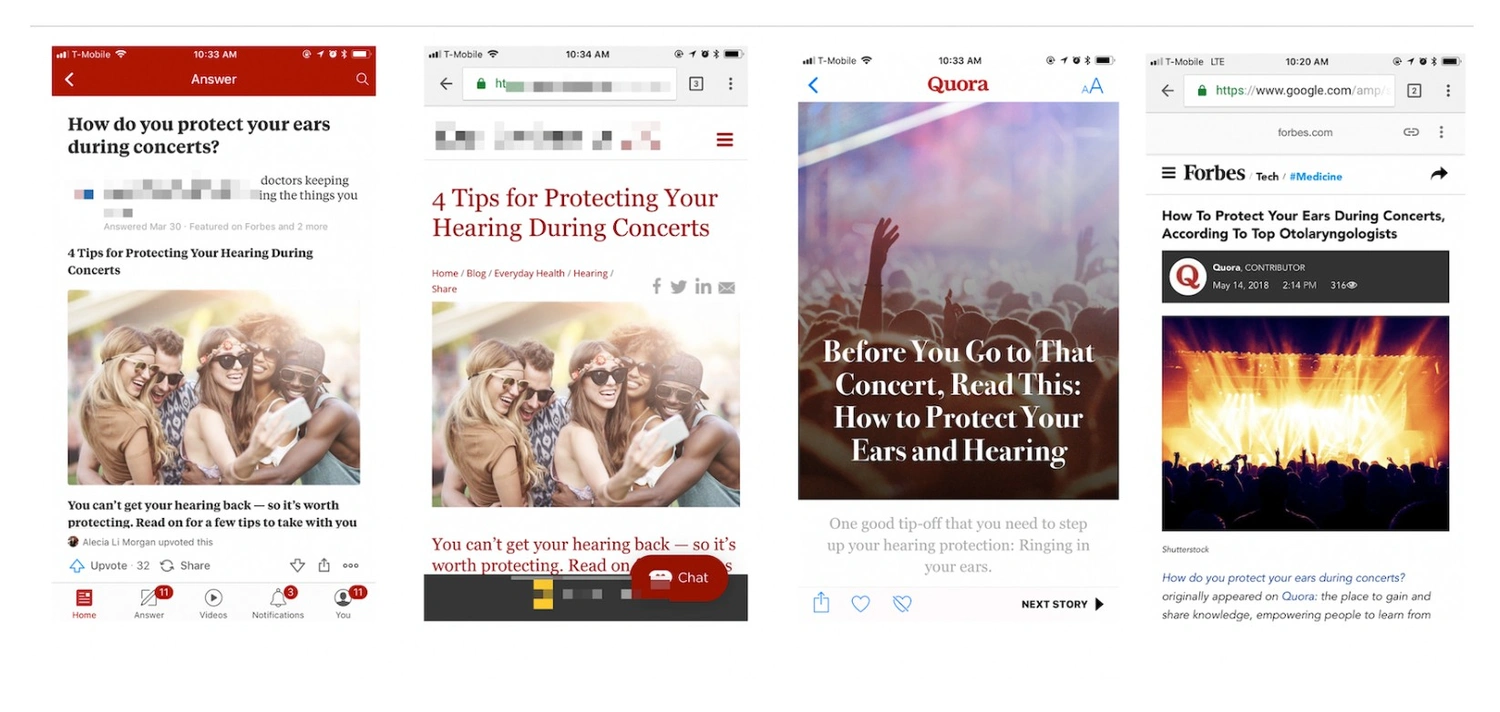 Forbes
  Apple News
  Forbes
 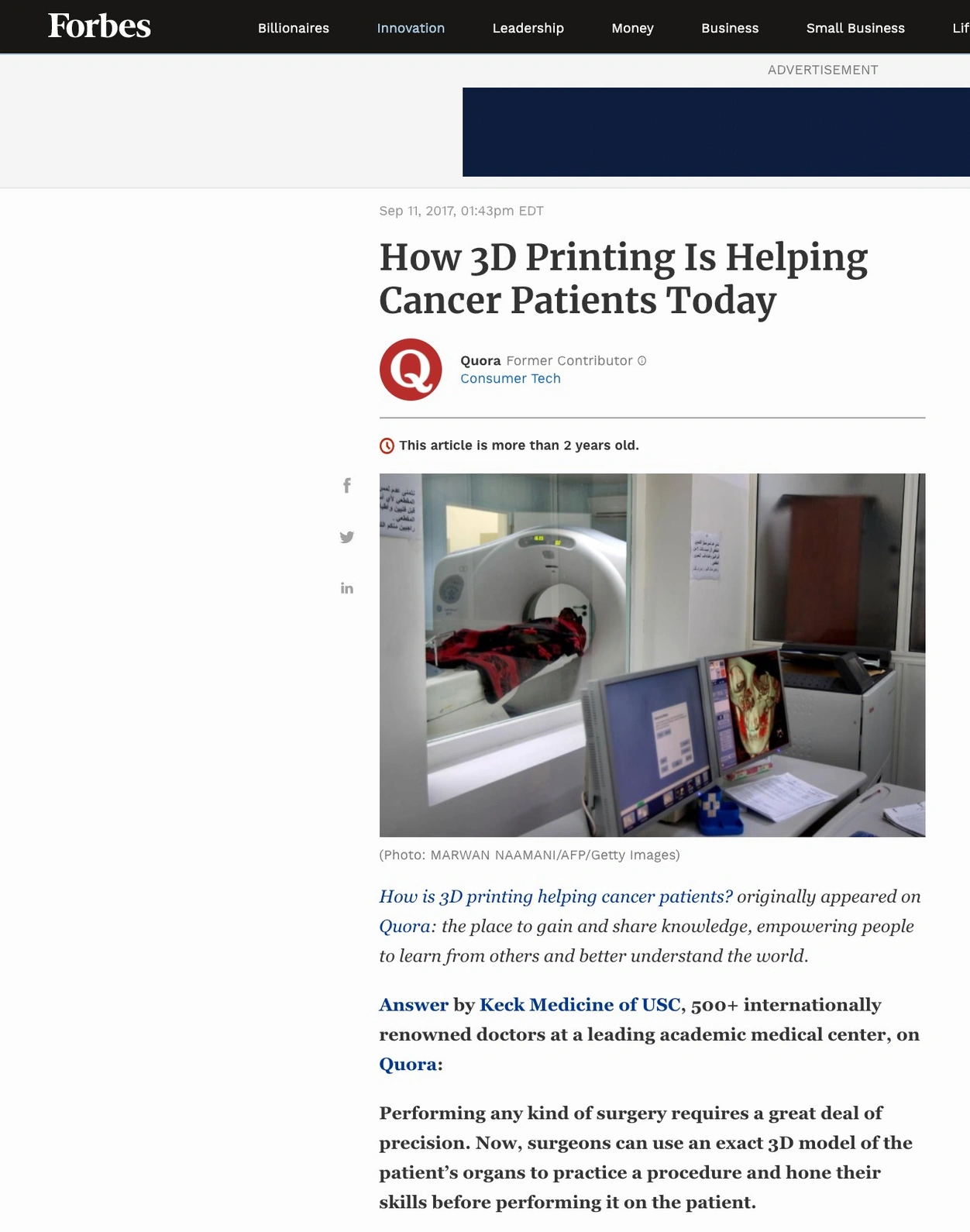 Forbes
  Apple News
  Forbes
  Quartz
 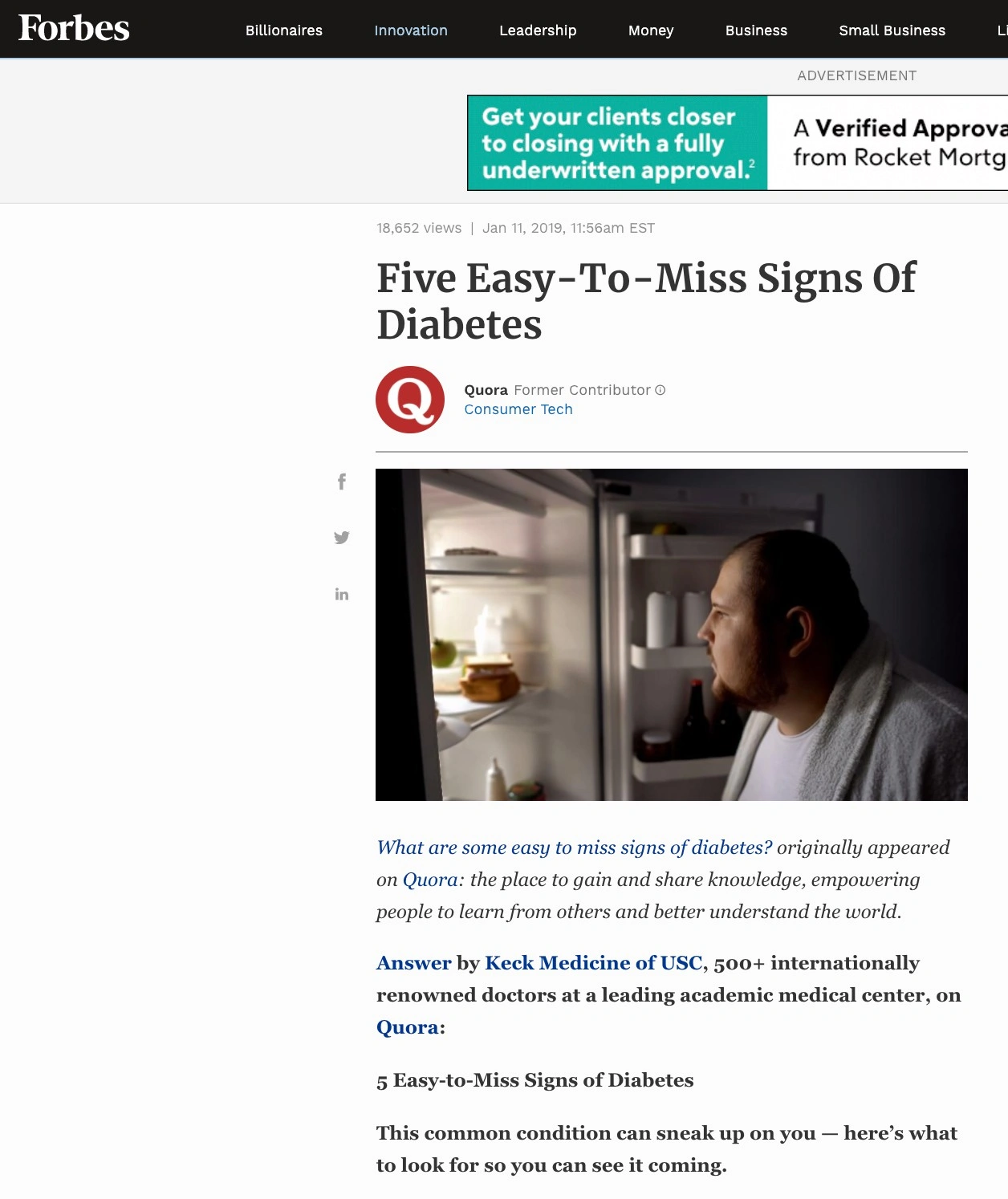 Forbes
 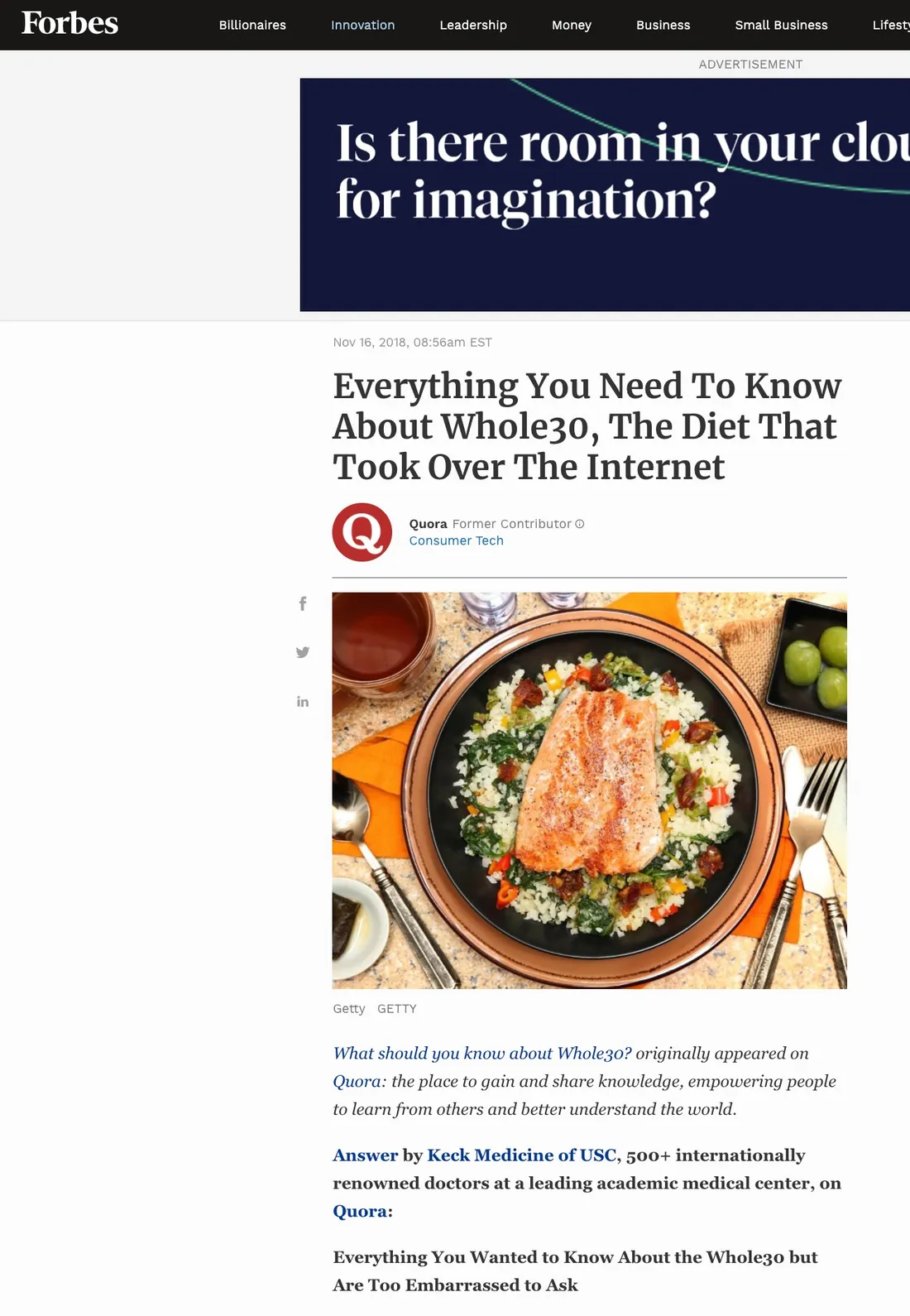 Forbes
  Apple News
 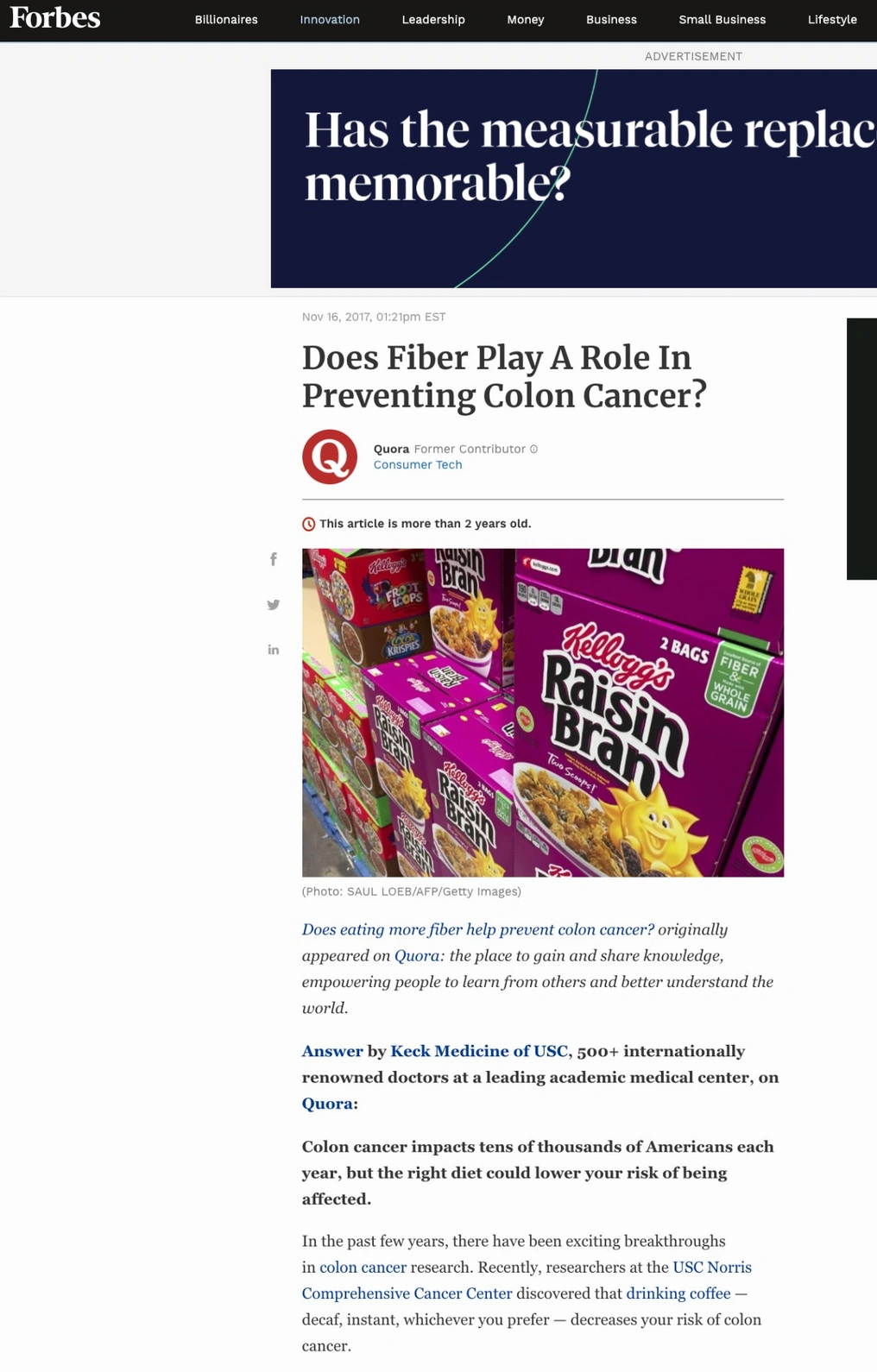 Forbes
  Apple News
 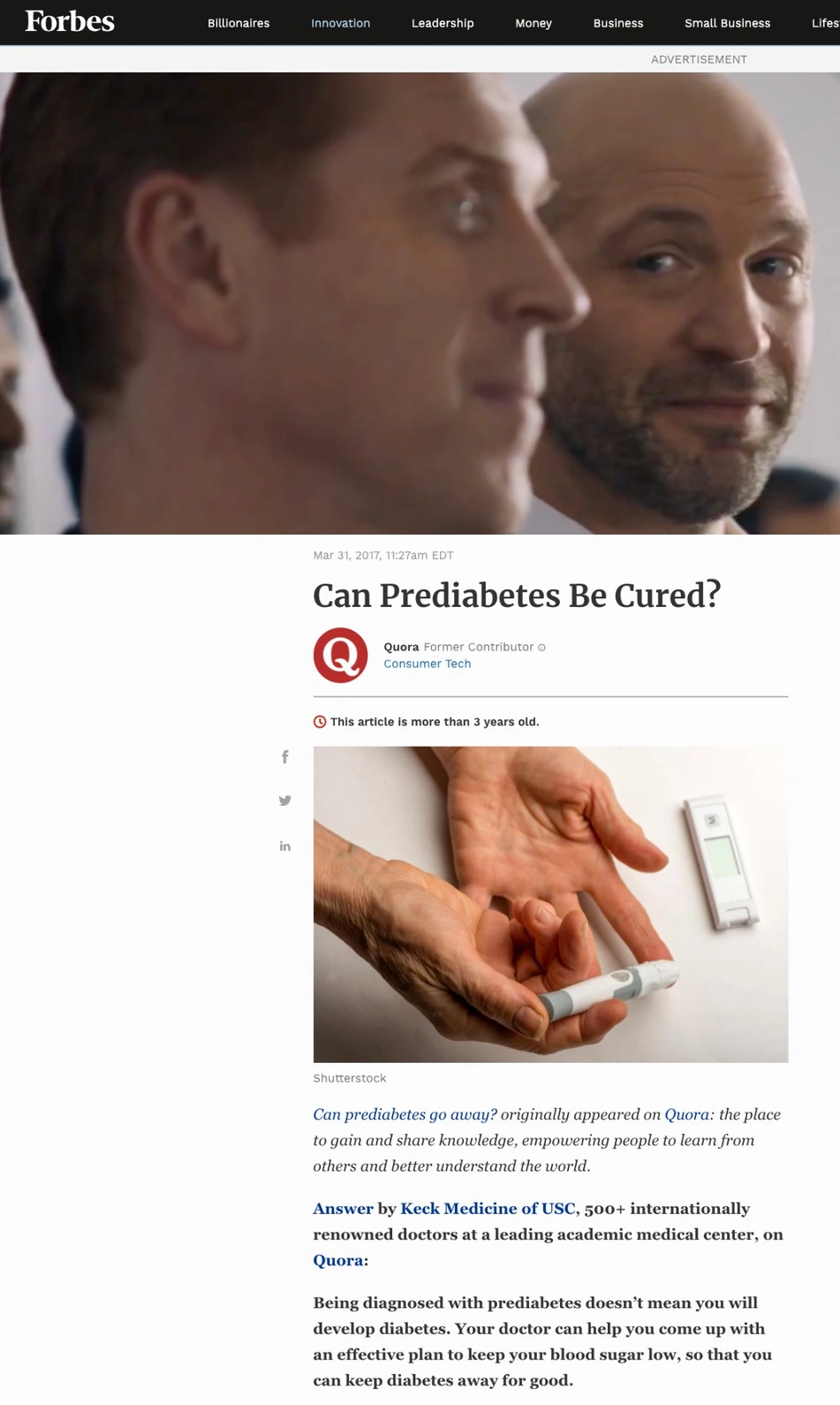 Forbes
  Forbes
 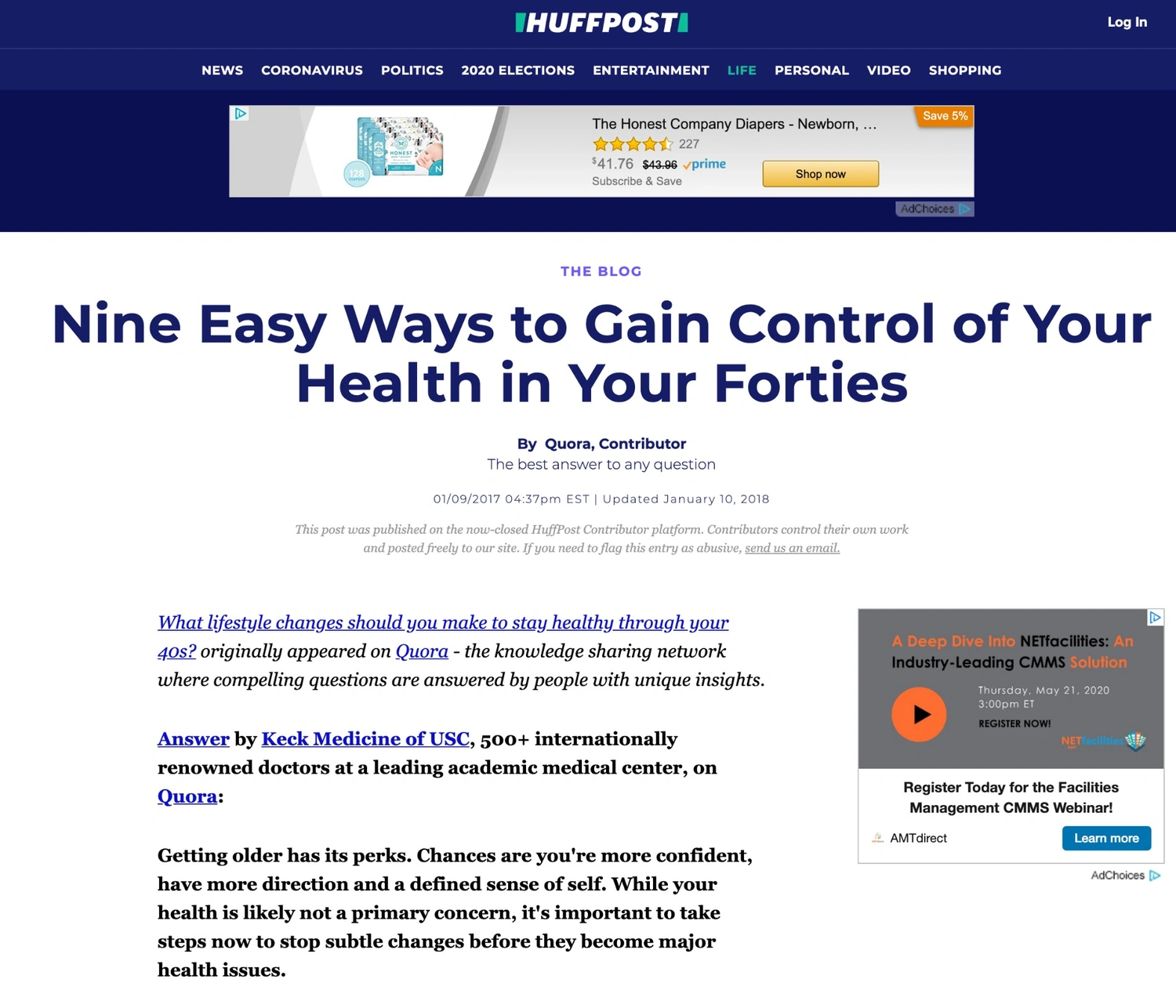 Huffpost
 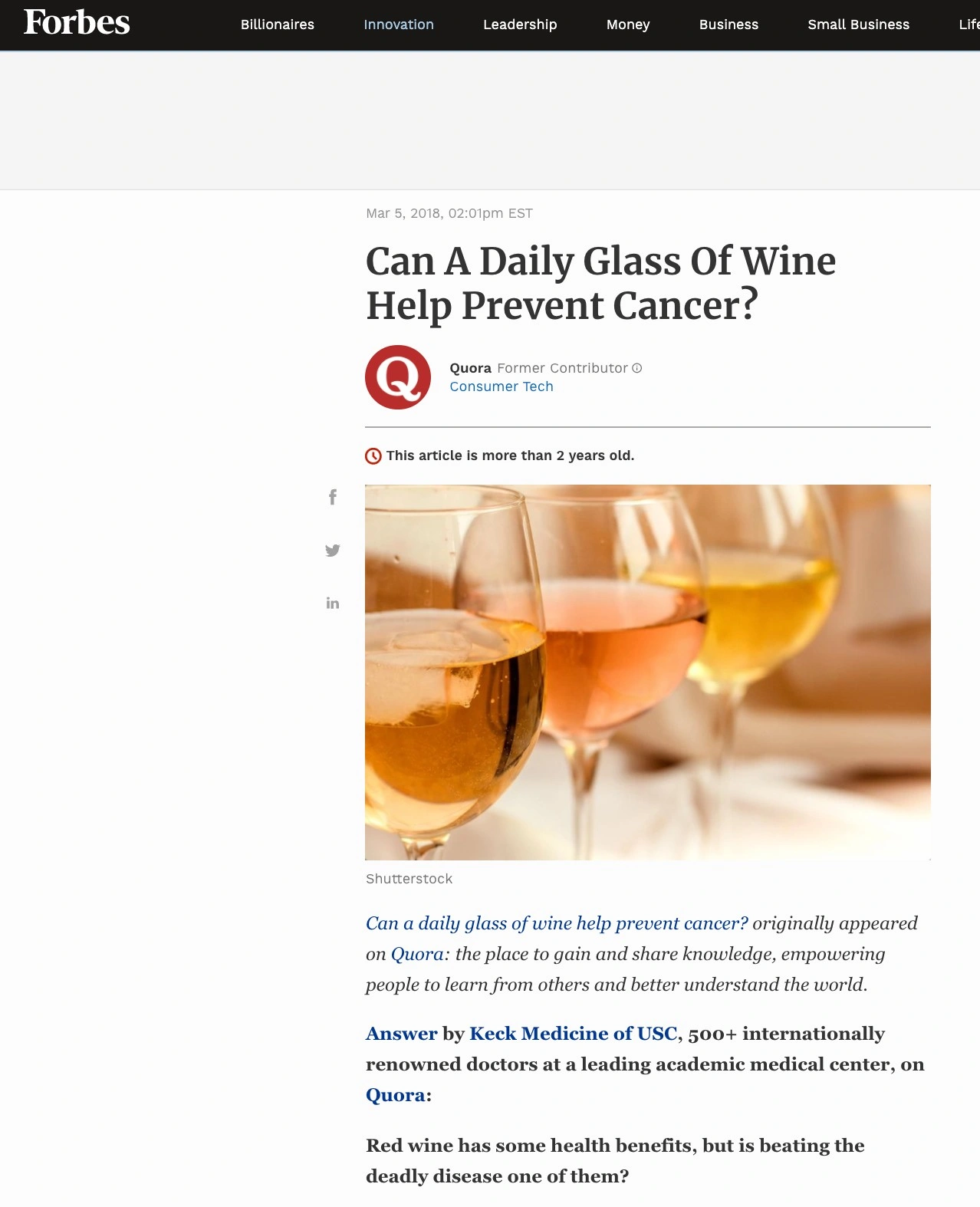 Forbes
  Medical Daily
  Forbes
  Huffpost
  Forbes
  Forbes
  Apple News